New Hampshire offers some of the most breathtaking hiking experiences in New England, with rugged mountains, serene forests, and cascading waterfalls. Whether you’re searching for hiking trails in Southern New Hampshire, easy hiking routes, or trails with waterfalls, the state provides diverse options for every skill level.
While popular spots like Mount Washington and Franconia Ridge attract large crowds, there are hidden trails where hikers can experience solitude, unspoiled nature, and stunning views. This guide highlights the best hiking trails in New Hampshire, including lesser-known paths for those who prefer a peaceful adventure.
Discovering the Scenic Beauty of New Hampshire’s Trails
New Hampshire is known for its diverse outdoor adventures that cater to every type of hiker. Whether you prefer a challenging ascent up the rugged White Mountains or a calming stroll through its lush forests, the state offers a wide variety of trails. Waterfall hikes, for example, provide the unique opportunity to witness nature’s beauty at its most dramatic. The state’s waterfalls are scattered across many areas, making it easy to find a serene trail that leads to stunning falls hidden in the woods.

Table of Contents
- Why Choose Quiet Hiking Trails in New Hampshire?
- Best Hiking Trails in New Hampshire
- Bald Knob Trail
- Welch-Dickey Loop Trail
- Smarts Mountain Trail
- Mount Cardigan via Back 80 Trail
- Percy Peaks Trail
- Hiking Trails in New Hampshire With Waterfalls
- Arethusa Falls Trail
- Glen Ellis Falls Trail
- Ripley Falls Trail
- Easy Hiking Trails in New Hampshire
- Safety Tips for Hiking in New Hampshire
- Final Thoughts on Hiking Trails in New Hampshire
Why Choose Quiet Hiking Trails in New Hampshire?
New Hampshire’s natural landscapes attract outdoor enthusiasts year-round. However, many well-known hiking trails become crowded, reducing the opportunity to fully connect with nature. Exploring less-traveled hiking trails provides several benefits:
- More solitude – Experience nature without the distractions of large crowds.
- Better trail preservation – Reduced foot traffic helps maintain pristine paths.
- Wildlife encounters – Less noise increases the chance of spotting moose, deer, and other wildlife.
For those who prefer a peaceful hiking experience, these trails offer the perfect outdoor escape.
Best Hiking Trails in New Hampshire
1. Bald Knob Trail – Stunning Views Without the Crowds
📍 Location: Ossipee Mountains
📏 Distance: 4.4 miles round trip
⛰️ Difficulty: Moderate
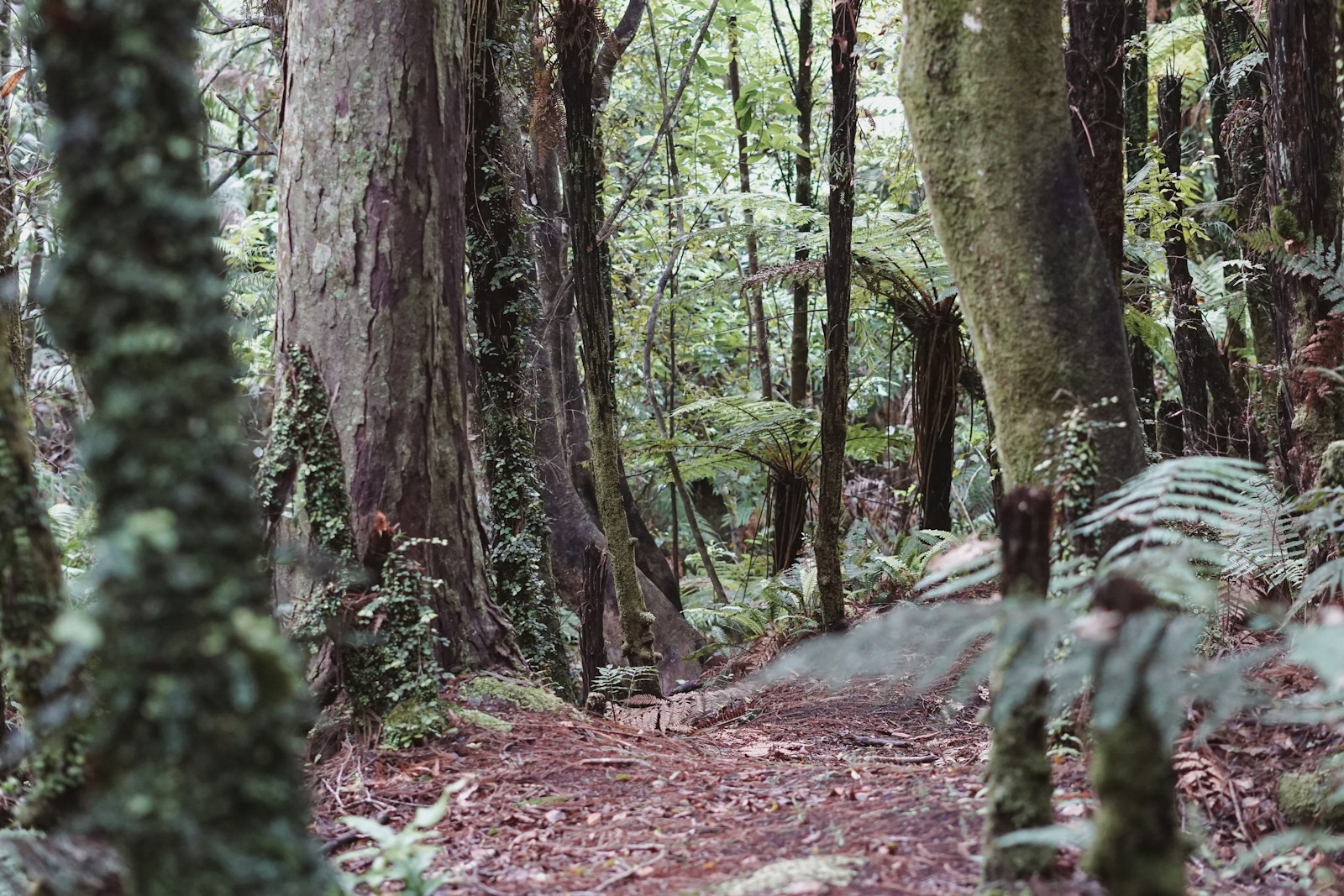
Bald Knob Trail is a great alternative to Mount Major, offering panoramic views of Lake Winnipesaukee with fewer hikers.
🗺️ Google Maps: Bald Knob Trail
📍 Location: White Mountains
📏 Distance: 4.4 miles round trip
⛰️ Difficulty: Moderate
This loop trail features breathtaking views and is an underrated choice for those seeking seclusion.
🗺️ Google Maps: Welch-Dickey Loop Trail
3. Smarts Mountain Trail – A Remote Wilderness Experience
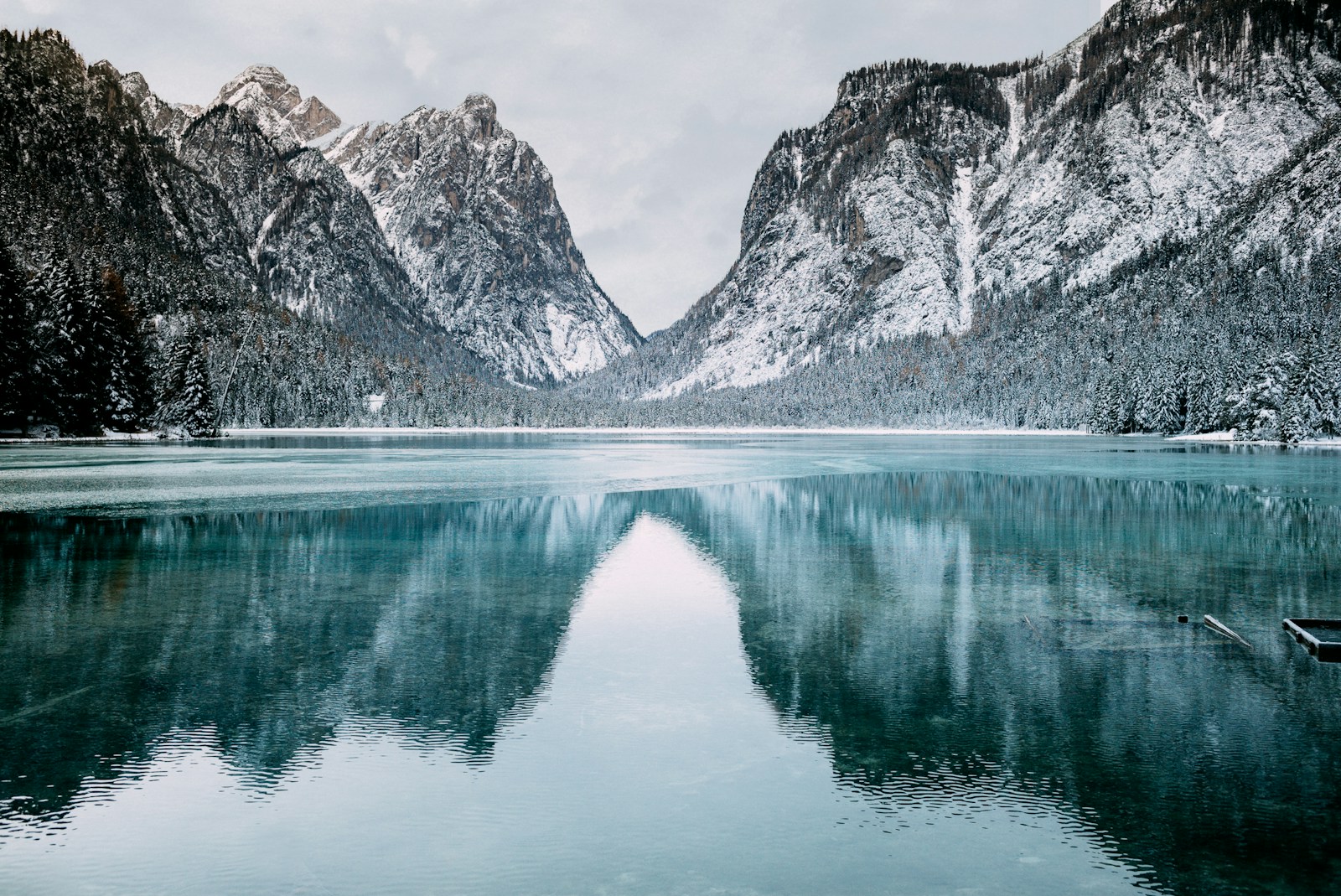
📍 Location: Appalachian Trail, Lyme, NH
📏 Distance: 7.5 miles round trip
⛰️ Difficulty: Challenging
This secluded trail leads to a fire tower offering stunning 360-degree views.
🗺️ Google Maps: Smarts Mountain Trail
The Charm of New Hampshire’s Secluded Hiking Spots
For those seeking solitude, New Hampshire’s lesser-known trails offer an escape from the usual tourist spots. Trails such as those in the White Mountain National Forest or around the remote Appalachian Trail provide a more intimate experience with nature. These paths often wind through dense woodlands, past tranquil ponds, and offer peaceful settings far from the crowds. Wildlife lovers also find these trails perfect for spotting animals like deer and moose, as fewer hikers mean more chances for encounters.
Hiking Trails in New Hampshire With Waterfalls
If you love waterfall hikes, New Hampshire has several scenic trails where you can experience cascading falls and lush forest landscapes.
1. Arethusa Falls Trail
📍 Location: Crawford Notch State Park
📏 Distance: 2.8 miles round trip
⛰️ Difficulty: Moderate
Arethusa Falls is New Hampshire’s tallest waterfall, making it one of the best hiking trails in New Hampshire with waterfalls.
🗺️ Google Maps: Arethusa Falls Trail
2. Glen Ellis Falls Trail
📍 Location: Pinkham Notch
📏 Distance: 0.6 miles round trip
⛰️ Difficulty: Easy
Glen Ellis Falls is a short, scenic waterfall hike, perfect for those looking for an easy hiking trail in New Hampshire.
🗺️ Google Maps: Glen Ellis Falls Trail
Easy Hiking Trails in New Hampshire
For those looking for beginner-friendly hikes, New Hampshire offers plenty of easy hiking trails with stunning views.
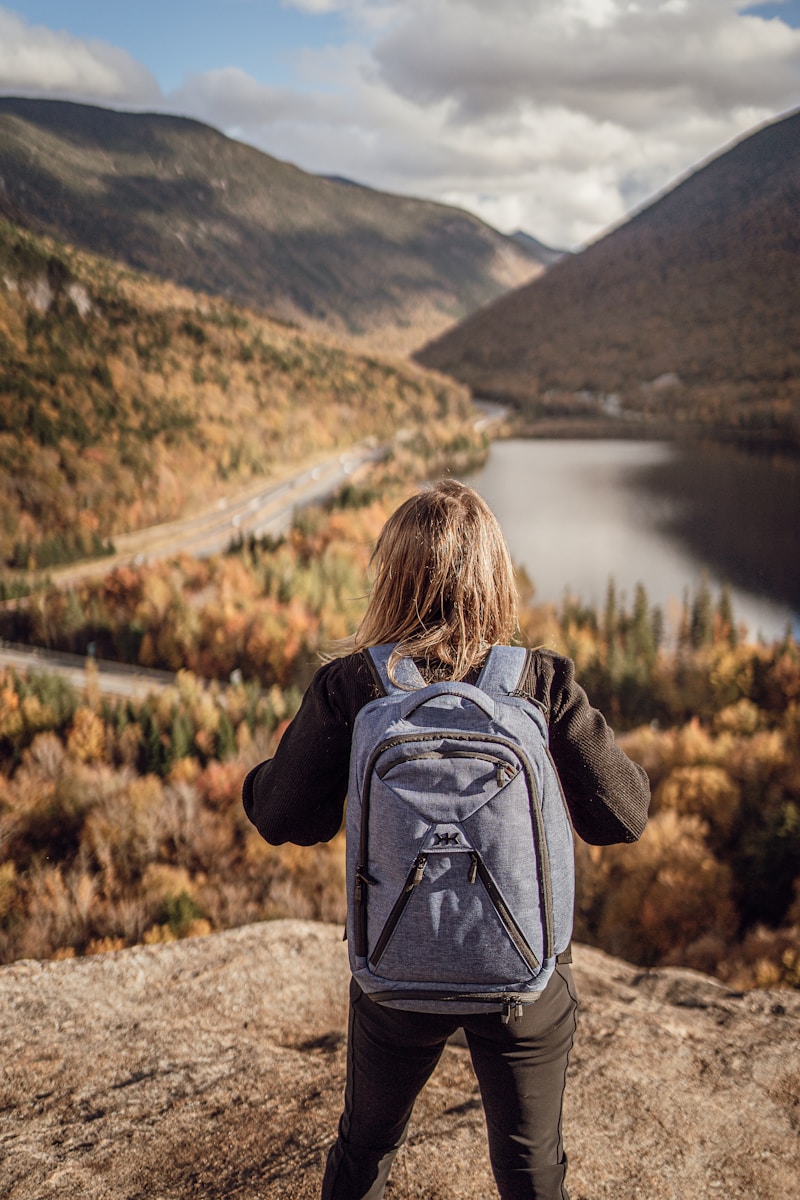
1. Artists Bluff Trail
📍 Location: Franconia Notch
📏 Distance: 1.5 miles round trip
⛰️ Difficulty: Easy
Artists Bluff is one of the best easy hiking trails in New Hampshire, offering breathtaking views with minimal effort.
🗺️ Google Maps: Artists Bluff Trail
Benefits of Easy and Scenic Hiking Trails in New Hampshire
New Hampshire’s easy hiking trails provide a perfect introduction to the natural beauty of the state, offering accessible paths that don’t require intense physical exertion. Trails like those near Franconia Notch or Lake Winnipesaukee allow hikers to experience stunning mountain views, peaceful lakesides, and pristine forests without the strain of more difficult routes. These beginner-friendly hikes are ideal for families, beginners, or anyone looking to enjoy the outdoors at a more relaxed pace, while still offering incredible vistas and peaceful moments in nature.
Hiking Safety Tips for a Better Experience
To ensure a safe and enjoyable hike, it’s essential to be well-prepared. Here are some key safety tips:
🔗 Learn More: Leave No Trace
Final Thoughts on Hiking Trails in New Hampshire
New Hampshire’s scenic landscapes and diverse trails provide an unforgettable hiking experience. Whether you’re looking for waterfall hikes, easy trails, or backcountry solitude, this guide helps you find the perfect outdoor adventure.
Instead of following the crowds, explore these hidden gems and experience the true beauty of New Hampshire’s wilderness.
New Hampshire State Parks – Hiking Trails:
Frequently Asked Questions About Hiking Trails in New Hampshire
Hiking Trails in New Hampshire
Some of the most well-known hiking trails in New Hampshire include Mount Washington, Franconia Ridge Loop, Mount Monadnock, and Artists Bluff. These trails attract a lot of visitors, especially during weekends and foliage season. If you prefer quieter hikes, there are many peaceful alternatives across the state.
Late spring (May–June) and early fall (September–October) offer the best conditions. Temperatures are mild, bugs are manageable, and the views—especially fall foliage—are outstanding. Winter hiking is possible but requires proper gear and experience.
Most hiking trails in New Hampshire are free and do not require permits. However, parking fees apply at some trailheads, and certain state parks charge a small entrance fee. The White Mountain National Forest uses a recreation pass system for some parking lots.
Quiet & Less Crowded Hiking Trails in New Hampshire
Hidden gems like Bald Knob Trail, Smarts Mountain, Percy Peaks, and Mount Cardigan’s Back 80 Trail offer solitude even during peak season. These trails are scenic but receive far fewer hikers than big-name mountains.
Yes, but with preparation. Remote trails in New Hampshire often lack cell service. Always tell someone your route, bring a map or GPS, and start early. Quiet trails can be incredibly peaceful, but they require more awareness than busy tourist paths.
Expect dense forests, uneven terrain, and long stretches without meeting anyone. These trails offer true wilderness experiences—perfect for hikers who want a deep connection with nature.
Waterfall Hiking Trails in New Hampshire
Arethusa Falls Trail, Glen Ellis Falls Trail, and Ripley Falls Trail are among the most beautiful waterfall hikes in the state. Each offers a unique view of New Hampshire’s dramatic cascades.
Some are, yes. Glen Ellis Falls is very short and easy, making it ideal for families. Arethusa Falls and Ripley Falls are moderate hikes with manageable elevation gain. Beginners should take their time, stay hydrated, and wear proper footwear.
Late spring and early summer are ideal because snowmelt increases water flow. After heavy rainfall, the waterfalls are at their strongest—but trails may be muddy or slippery.
Easy Hiking Trails in New Hampshire
Artists Bluff, Glen Ellis Falls, and parts of Franconia Notch offer excellent beginner-friendly options. These trails are short, scenic, and perfect for casual hikers or families with children.
Yes! Artists Bluff is one of the best easy hikes with sweeping valley and mountain views. Bald Mountain (near Franconia) and Pine Mountain (Gorham) are also great choices.
Definitely. Many easy trails have gentle terrain, clear pathways, and beautiful viewpoints. Always check the distance and elevation before choosing a hike, especially with young children.
Seasonal, Safety & Planning
Yes, fall is one of the safest and most scenic times to hike. Just expect more people on popular trails. If you want a quieter experience, choose lesser-known paths like Smarts Mountain or Back 80 to Mount Cardigan.
Many do not. In remote areas—especially parts of the White Mountains—cell coverage is spotty or nonexistent. Bring a map, downloaded GPS, or a physical trail guide.
Essentials include water, snacks, a first-aid kit, extra clothing layers, a headlamp, and a physical map. Weather in New Hampshire’s mountains can change rapidly, even in summer.
Yes, most trails welcome dogs. Some state parks require leashes, so always check the rules before heading out. Bring extra water for pets, especially during warm months.
Planning a Hiking Trip in New Hampshire
A weekend works for popular spots, but a 3–5 day trip lets you combine waterfall hikes, mountain climbs, and easy scenic trails.
Good base areas include North Conway, Lincoln, Gorham, and Plymouth. These towns provide easy access to multiple trailheads across the White Mountains.
Start early (before 8 AM), hike on weekdays, and choose lesser-known trails. Avoid sunny Saturdays during fall foliage if you want solitude.