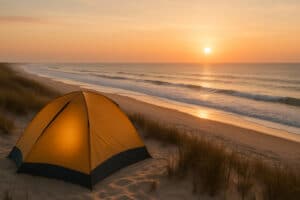
There’s something different about camping on Ocracoke Island. It isn’t just a place where you pitch a tent—it’s a place where time slows down, the stars shine brighter, and the sound of the waves becomes your nightly lullaby. When I first camped here, I remember unzipping my tent at sunrise to see the beach stretched out for miles, with not another soul in sight. The salty air, the soft crash of the surf, and the sense that I was on the edge of the world made it unforgettable.
Unlike many beach towns along the East Coast, Ocracoke doesn’t have sprawling resorts or neon-lit boardwalks. What it does have is Cape Hatteras National Seashore, wild stretches of shoreline, and campgrounds that let you stay just steps from the ocean with access to some of the best Ocracoke beaches for swimming and surfing. Whether you’re hauling in an RV, setting up a family tent, or traveling light with just a backpack, camping here gives you an intimate connection to the island you can’t get from a hotel room. And when you’re not camping, wander into the hidden shops and artisan spots of Ocracoke. For a broader look at everything this unique island offers, from pirate history to hidden gems, explore our Ultimate Guide to Ocracoke Island.
This guide will walk you through everything you need to know about Ocracoke Island camping—from the best campgrounds and how to book them, to insider tips on what to pack, activities you can enjoy, and how to make the most of your time in the sand and sun.
Why Camp on Ocracoke Island?
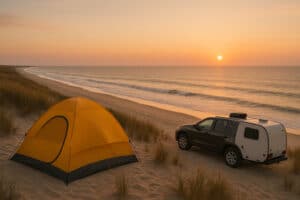
Camping on Ocracoke is more than just a budget-friendly lodging choice—it’s a way of experiencing the island in its purest form. Here’s why so many visitors trade in hotel beds for tents and RVs when they come here:
Seclusion & Simplicity: Unlike busier Outer Banks destinations, Ocracoke feels remote. With no bridges connecting it to the mainland, you arrive by ferry—and that alone makes the trip feel like an adventure. Camping extends that sense of simplicity. You’re not just staying on the island; you’re living in it.
Natural Beauty: Few campgrounds on the East Coast can boast oceanfront views like this. Fall asleep to the steady rhythm of waves, wake up to seabirds calling overhead, and walk straight from your campsite onto a wide, sandy beach.
Affordability: While Ocracoke has inns, B&Bs, and even a famous landmark hotel (the Castle on Silver Lake), they can be pricey during peak summer. Camping offers one of the most affordable ways to stay on the island—without sacrificing the experience.
Adventure on Your Doorstep: From your tent or RV, you can go shelling, fishing, kayaking, or biking within minutes. It’s the perfect launch point for outdoor adventures.
Unplug & Recharge: Cell service can be spotty, and Wi-Fi is practically non-existent at the campgrounds. For many, that’s part of the appeal. Camping here is a chance to disconnect from screens and reconnect with the world around you.
When I think back to my camping trips, what stands out isn’t just the scenery—it’s the rhythm of life. Cooking dinner on a small camp stove, watching the sunset with sandy feet, and trading stories with fellow campers reminded me that sometimes, the best vacations are the simplest ones.
Types of Camping in Ocracoke
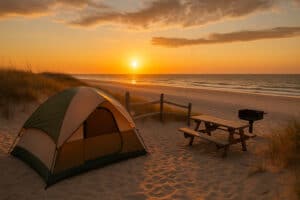
Not all camping experiences on Ocracoke are the same. The island offers options for those who want to sleep steps from the surf, those who prefer a more traditional campground with amenities, and those who roll in with RVs. Choosing the right style depends on how rustic—or comfortable—you want your adventure to be.
Beachfront Camping in the National Seashore
The crown jewel of Ocracoke camping is the Ocracoke Campground, run by the National Park Service as part of Cape Hatteras National Seashore.
Location: Just outside the village, with dunes separating the campsites from the Atlantic Ocean.
Experience: This is as close as you’ll get to camping on the beach without breaking the rules. From your site, it’s a short walk over the dunes to wide, uncrowded stretches of sand.
Facilities: Restrooms, cold showers, picnic tables, and grills are available—but no hookups. That makes it best suited for tents and smaller rigs.
Atmosphere: Quiet, natural, and peaceful. Nights here are some of the darkest you’ll find on the East Coast, making it a dream for stargazers.
When I camped here, I remember walking to the beach at night and seeing the Milky Way stretch across the sky. The sound of the waves mixed with the sight of so many stars is something that sticks with you.
Teeter’s Campground – Village Convenience
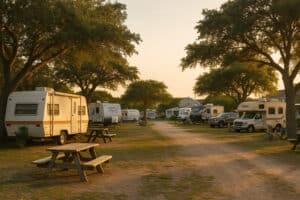
If you’d rather be closer to the action in Ocracoke Village, Teeter’s Campground is the go-to choice. It’s family-run and much smaller than the National Seashore campground.
Location: Right in the heart of the village, within walking distance of shops, restaurants, and the harbor.
Facilities: Electric hookups, hot showers, and laundry facilities—making it more comfortable for RVers and families.
Experience: You won’t get the same “wilderness” vibe as camping near the beach, but you’ll enjoy convenience and community. It’s also a good option if you’re worried about weather, since you’re closer to shelter and amenities.
Teeter’s feels more social. On summer evenings, you’ll often see groups of campers grilling together, swapping stories about the day’s fishing or kayaking trips.
RV Camping Options
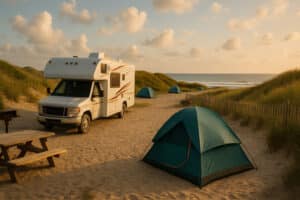
RV camping on Ocracoke is limited, but it’s possible. Both the Ocracoke Campground and Teeter’s Campground allow RVs.
At Ocracoke Campground: No hookups, so you’ll need to be self-contained and prepared for dry camping.
At Teeter’s Campground: Full hookups available, making it the better choice for longer stays.
Tips for RVers: Reserve early—spaces go fast in summer. Bring leveling blocks, as some sites are sandy or uneven.
Tent Camping on Ocracoke
Tent campers have the most flexibility. This location offers options ranging from simple, back-to-nature camping to sites with basic amenities.
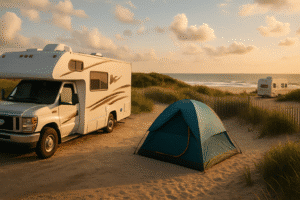
Beachfront Tents: Best at the NPS campground for that “sleeping by the ocean” feeling.
Village Tents: Better at Teeter’s if you want easy access to food, shops, and showers.
Best Time of Year: Late spring and fall. Summer can be hot and buggy, while winter brings chilly winds.
Tent camping is where you really feel the wild side of Ocracoke. One night, a storm rolled in while I was camped by the beach. The sound of the wind rattling the tent mixed with the thunder of the surf made it feel like nature itself was putting on a show.
Ocracoke Island Campgrounds Overview
Choosing the right campground is the key to having the best possible experience on Ocracoke. While the island doesn’t have dozens of options like some beach destinations, the ones it does have are distinct and memorable. Here’s a closer look at what’s available.
Explore Ocracoke Island Campgrounds on google maps
Ocracoke Campground (National Park Service)
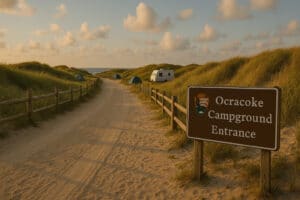
If you want the classic Ocracoke camping experience, this is it. The Ocracoke Campground, run by the National Park Service (NPS), is the only campground directly managed as part of Cape Hatteras National Seashore.
Location: About three miles northeast of Ocracoke Village, right off NC Highway 12. The dunes separate the campground from the beach, but it’s just a short walk across the sand.
Capacity: Around 136 sites, accommodating tents, trailers, and smaller RVs.
Facilities: Restrooms, cold showers, grills, and picnic tables. There are no electrical, water, or sewer hookups—making it more suited for tent campers or self-sufficient RVers.
Reservations: Can be made online through Recreation.gov, though some sites may be first-come, first-served in the off-season.
Highlights: Stargazing at night, direct access to miles of quiet beach, and the sense of being “away from it all.”
Second time camping here in a tent and we love it. The mosquitoes are pretty bad if its not windy, but we were there in mid July. My favorite part is listening to the ocean waves at night while falling asleep. Plus, the stars are beautiful at night.
Staff is very helpful & kind. We will be back again.
Personal Note: On my last trip, I camped here in early fall. After dinner, I walked to the beach and lay in the sand, watching shooting stars. It was one of those rare travel moments where the world felt vast and peaceful at the same time.
Teeter’s Campground
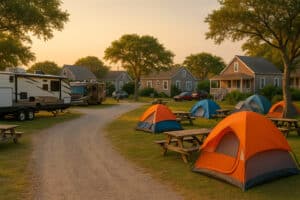
In contrast to the wild feel of the NPS campground, Teeter’s Campground offers a cozier, more social environment right in Ocracoke Village. It’s been family-owned for generations, and you can feel that personal touch in how it’s run.
Location: In the heart of the village, within walking distance of restaurants, the harbor, and shops.
Capacity: Much smaller than the NPS campground—just a few dozen sites.
Facilities: Electric and water hookups, hot showers, and laundry. These amenities make it especially popular with RV travelers.
Reservations: Strongly recommended, especially during summer, as sites are limited.
Highlights: Convenience. You can wake up, grab a coffee at Ocracoke Coffee Company, and walk back to your site within minutes.
With all new renovated electricity and full hook ups on all sites this is an excellent value. We are on only our second stay here but we will continue to come. This campground books quickly due to several permanent sites.
Personal Note: Teeter’s reminded me more of a neighborhood than a campground. I ended up chatting with a couple who camp there every summer, and by the end of the evening, we were grilling together like old friends.
Private Rentals & Alternatives
While Ocracoke is small, a few locals offer private camping spots or rustic rental setups. These aren’t as widely advertised but can sometimes be found through word of mouth, community boards, or niche travel websites.
Additionally, if both main campgrounds are full:
Hatteras Island (just a ferry ride away) has several campgrounds with more amenities. You can base yourself there and take day trips to Ocracoke.
Mainland Options near Cedar Island or Swan Quarter also work if you’re catching early ferries.
Which Campground Should You Choose?
For solitude and stargazing: Ocracoke Campground (NPS).
For convenience and hookups: Teeter’s Campground.
For last-minute or unique experiences: Private rentals or nearby islands.
It really depends on your style. Personally, I like to recommend first-timers try at least one night at the NPS campground—there’s nothing like falling asleep with the sound of the Atlantic in the background.
Reservations & Permits
Because Ocracoke is such a sought-after destination—especially in the summer—planning ahead is essential. Both the National Park Service (NPS) campground and Teeter’s Campground fill up quickly, so knowing how and when to book can make the difference between a dream trip and scrambling for alternatives.
How to Book Ocracoke Campground (NPS)
The Ocracoke Campground is managed through Recreation.gov, which makes reservations straightforward.
Booking Window: You can reserve sites up to six months in advance.
Peak Season: May through September. During this period, reservations are strongly recommended.
Off-Season: From October to April, sites may be more available, but facilities can be limited.
Cost: Around $28 per night (subject to changes).
Tip: If you’re traveling in late spring or early fall, you’ll get the sweet spot—comfortable weather and slightly fewer crowds.
How to Book Teeter’s Campground
Teeter’s Campground is privately owned, so you’ll need to call or email them directly for reservations.
Booking Window: Sites are often reserved months in advance, especially by repeat campers who come every summer.
Cost: Slightly higher than NPS, but you’re paying for hookups, hot showers, and a convenient location.
Minimum Stay: Some weekends or holidays may require a two-night minimum.
Permits & Rules You Should Know
Camping at Ocracoke isn’t just about finding a spot—you also need to follow certain rules to protect the environment and respect fellow campers.
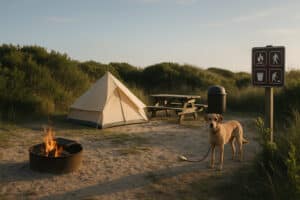
Campfires: Open fires on the beach are prohibited without a permit. Small, contained grills or stoves are allowed at designated sites.
Pets: Dogs are welcome at both campgrounds but must be leashed. Bring bags to clean up after them.
Quiet Hours: Typically from 10 p.m. to 6 a.m. Respect the rules—this island thrives on peace and quiet.
Trash & Recycling: Ocracoke follows a strict “pack it in, pack it out” ethic at the NPS sites. Teeter’s provides waste facilities.
Alcohol: Allowed at campsites but keep it low-key and respectful.
Seasonal Considerations
Spring (March–May): Mild weather, fewer bugs, and easier reservations. My favorite time for camping here.
Summer (June–August): Peak season. Expect heat, mosquitos, and fully booked campgrounds unless you reserved months in advance.
Fall (September–November): Gorgeous weather, cooler nights, and smaller crowds. September can bring hurricanes, so keep an eye on forecasts.
Winter (December–February): Very quiet, with some facilities closed. Best for hardy campers who don’t mind chilly nights.
Insider Tips for Smooth Booking
Set a Reminder: Mark your calendar six months before your intended trip and book the moment sites open.
Check Ferry Schedules First: Make sure your reservation lines up with your ferry arrival times. Most campers arrive via the Ocracoke ferry system, which makes the journey part of the adventure.
Have a Backup: If Ocracoke is full, look at Hatteras Island or mainland campgrounds and make day trips instead.
Ask Locals: Sometimes, small private camping spots aren’t advertised online but can be found by asking around the village.
When I booked my first Ocracoke camping trip, I underestimated how quickly sites filled up in July. By the time I looked, everything was gone. Lesson learned: I shifted my trip to September, and honestly, it was even better—cooler weather, fewer bugs, and plenty of space on the beach.
Packing Guide for Ocracoke Camping
Packing for a coastal camping trip is a little different than packing for the mountains or a state park. The salt air, sandy terrain, and unpredictable weather mean you’ll want to be prepared for both comfort and survival. Here’s a breakdown of what you should bring to make your stay on Ocracoke as smooth (and enjoyable) as possible.
Essential Camping Gear
Start with the basics—these are the must-haves for any camping trip, whether you’re in a tent or RV:
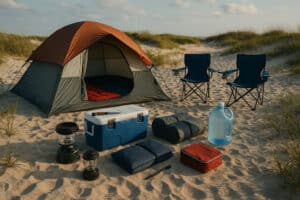
Tent (with rainfly and stakes)
Sleeping bags (lightweight for summer, heavier if visiting in fall/winter)
Sleeping pads or air mattress
Camp stove or portable grill
Refillable water jugs or containers
Cooler with ice packs
Lanterns and flashlights (with extra batteries)
Folding chairs and table
Multi-tool or camping knife
First aid kit
Even though these are “standard,” I can’t count the number of times I’ve seen campers struggling because they forgot extra stakes or a headlamp. Double-check before you leave the mainland—once you’re on the ferry, there aren’t many big box stores to fill in the gaps.
Coastal-Specific Gear
Camping by the ocean comes with unique challenges. The wind, sand, and moisture can test your gear, so pack accordingly.
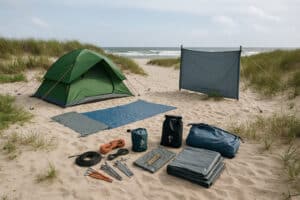
Heavy-Duty Tent Stakes: Sand is tricky for regular stakes. Bring longer, sand-anchored stakes to keep your tent secure in coastal winds.
Tarps & Ground Cloths: Place one under your tent for moisture, and use another as a windbreak or shade cover.
Dry Bags: Perfect for storing electronics, clothes, and food that you don’t want getting wet.
Rope or Paracord: Useful for securing tarps or drying clothes in the sun.
Windbreak Screen: Optional, but makes life easier if you’re cooking on breezy days.
One windy night at the NPS campground, I saw two tents collapse because campers only used short plastic stakes. Meanwhile, the seasoned campers next to me had buried long stakes deep into the sand, and their tents didn’t budge. Lesson learned.
Food & Cooking Supplies
You won’t find a Walmart or 24-hour grocery store on Ocracoke. There are local shops, but they’re smaller and sometimes close earlier than you expect. Bring more than you think you’ll need.
Portable stove or grill (charcoal or propane)
Cooler with ice (ice is sold in the village, but supply runs out in peak season)
Pots, pans, and cooking utensils
Plates, cups, and cutlery (reusable is better—less waste to pack out)
Food storage containers (to keep out sand and critters)
Quick meals (pasta, rice, beans, canned soups)
Snacks (trail mix, granola bars, fruit)
Coffee/tea supplies (essential for those sunrise beach walks)
Tip: Pre-make a few meals and freeze them. They’ll keep your cooler cold longer and make dinners easier after a long day outside.
Safety & Comfort Essentials
Camping on the coast is beautiful, but it comes with a few natural annoyances. Prepare for them, and you’ll enjoy your stay much more.
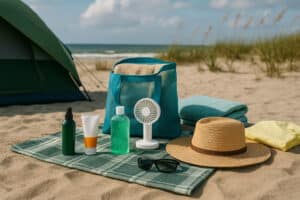
Bug Spray: Mosquitos and no-see-ums can be brutal in summer evenings.
Sunscreen: Even cloudy days can leave you burned on the beach.
Aloe Vera Gel: For when you inevitably miss a spot.
Sun Hat & Sunglasses: Essential for mid-day activities.
Light Rain Jacket: Sudden showers are common.
Sand-Proof Blanket or Mat: Keeps your tent and gear a little cleaner.
Portable Fan: Battery-powered fans are lifesavers in hot, humid nights.
Extra Towels: They never dry as fast as you want, so bring spares.
“Nice-to-Have” Items That Make a Big Difference
Not strictly necessary, but these little things can take your trip from good to great:
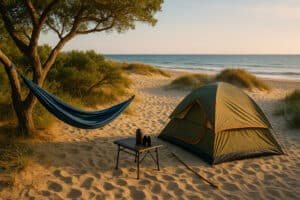
Hammock for lazy afternoons under the trees.
Binoculars for birdwatching or spotting dolphins.
Marshmallow roasting sticks (because s’mores taste better at the beach).
A journal or sketchbook to capture quiet moments.
Small Bluetooth speaker (keep the volume respectful).
Personal Tip
I always bring a dry bag just for clothes. One year, a sudden rainstorm hit while we were away from camp, and my backpack soaked through. Having at least one full change of clothes completely dry made the difference between a miserable evening and a cozy night.
Camping Activities & Outdoor Adventures
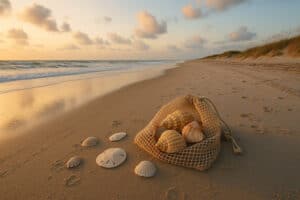
One of the best parts of camping on Ocracoke Island is that the adventure doesn’t stop when you zip up your tent. From dawn until long after sunset, there’s always something to do right outside your campsite. Here are some of the most memorable activities you can build into your trip.
Beachcombing & Shelling
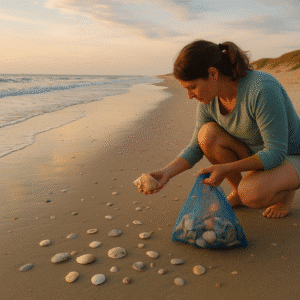
Early mornings are magical on Ocracoke’s beaches. The sand is cool, the light is soft, and the tide often leaves behind treasures.
Shells to Look For: Scotch bonnets (North Carolina’s state shell), whelks, and sand dollars.
Best Time: Just after high tide, especially following a storm.
Tip: Bring a mesh bag so shells dry out as you collect them.
On one of my walks, I found a perfectly intact Scotch bonnet. It wasn’t flashy like the shells in gift shops, but knowing I’d discovered it myself made it priceless.
Surf Fishing
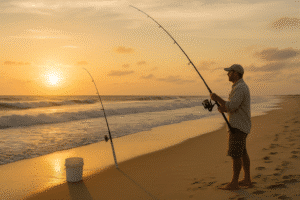
Camping and fishing go hand in hand, and Ocracoke is one of the best surf fishing spots in North Carolina.
What You’ll Catch: Flounder, red drum, sea mullet, and bluefish.
Gear Needed: Surf rods, bait buckets, and rod holders (many locals just stick PVC pipes into the sand).
Best Season: Fall is legendary for red drum runs.
Even if you don’t land the “big one,” standing in the surf with your line out as the sun sets behind you is one of the most peaceful ways to end a day.

Night Sky Watching
Ocracoke has some of the darkest skies on the East Coast. Far from city lights, camping here means you get front-row seats to the stars.
What You’ll See: The Milky Way, meteor showers, and constellations that are hard to spot back home.
Best Spots: Any stretch of beach away from the campground lights.
Tip: Bring a blanket, lie flat on the sand, and let your eyes adjust for 15 minutes.
One night, I lay back after a beach fire and counted six shooting stars in under an hour. It’s the kind of memory that stays with you.
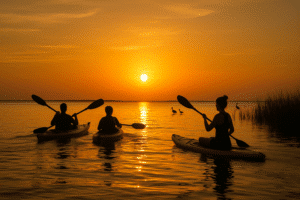
Kayaking & Paddleboarding
From the campground, it’s easy to launch into the Pamlico Sound or nearby marshes.
Calm Waters: Perfect for beginners and families.
Wildlife: Expect to see herons, pelicans, and maybe even dolphins.
Guided Tours: Local outfitters offer eco-tours that explain the island’s ecology.
Paddling at sunset, with the sky turning gold and the water glowing, is an experience that no hotel balcony can match.
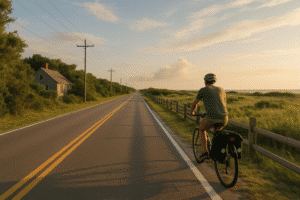
Biking & Exploring the Island
Camping puts you close to Ocracoke’s quiet roads and trails. Bring your own bike or rent one in the village.
Scenic Rides: From the campground into town, or down NC Highway 12 toward the pony pens.
Golf Carts: If biking isn’t your thing, golf carts are a fun alternative.
Tip: Pack a picnic in your panniers and make a day out of it.
I biked from the campground into the village one breezy afternoon, and it remains one of my favorite Ocracoke memories—no traffic, just the sound of the wind and the smell of saltwater.
Personal Reflection
Camping here isn’t just about where you sleep—it’s about how you spend your days. You wake up, wander down to the surf, maybe fish for dinner, bike into town for coffee, then end the night staring up at a sky full of stars. Each activity flows naturally into the next, with no schedule except the rising and setting of the sun.
Family-Friendly Camping Tips
Camping with kids (or even teens) can be one of the best ways to experience Ocracoke. The island’s laid-back atmosphere and safe, car-light village make it easier for families to relax together.
Choose Your Campground Wisely: The NPS Campground gives kids plenty of space to run, but it’s more rustic. If you want closer access to bathrooms, showers, or village amenities, Teeter’s Campground may be more comfortable.
Bring Bikes or Scooters: The village is flat, compact, and perfect for kids to explore safely. My kids loved biking to get ice cream in the evening.
Plan Simple Meals: Hot dogs, foil-pack dinners, and s’mores are crowd-pleasers. Keep it easy—you don’t want to spend the whole trip cooking.
Keep Safety in Mind:
Sunscreen and hats are a must during long beach days.
Review rip current safety with older kids.
Glow sticks or headlamps make nighttime around camp fun and safe.
When I camped here with friends and their kids, what struck me was how easily they entertained themselves. Collecting shells, building driftwood forts, chasing crabs with flashlights at night—it was like handing them back the kind of childhood adventures we rarely see anymore.
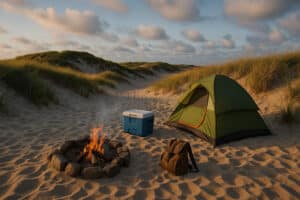
Practical Camping Tips for Ocracoke
Even seasoned campers need to adjust a bit when camping on a barrier island. These tips will help smooth out the learning curve:
Weather Changes Quickly: Storms can roll in fast. Always secure your tent and keep gear in waterproof bags.
Mosquitos & No-See-Ums: Bug spray is your best friend in summer. Some campers even bring portable screen tents for evenings.
Supplies: There are small grocery stores on Ocracoke, but bring your main staples with you. Stock up on ice, snacks, and camping gear before taking the ferry.
Water Safety: The ocean here is powerful. Swim near lifeguard stations when possible.
Leave No Trace: The beaches and dunes are fragile ecosystems. Clean up all trash, avoid disturbing wildlife, and follow NPS guidelines.
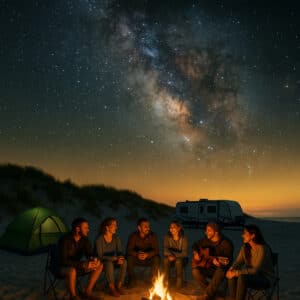
Personal Experiences & Stories
I’ll never forget one particular night at the Ocracoke Campground. A storm had passed earlier in the day, and by evening the sky was crystal clear. A group of us campers—strangers just hours before—sat together on the sand watching the stars. Someone brought a guitar, another shared extra marshmallows, and we ended up talking until midnight about everything from fishing to family.
That’s the magic of camping here. It isn’t just about the place—it’s about the community that springs up in these sandy little circles of tents and RVs.
Alternatives to Camping
If you decide that sleeping in a tent or RV isn’t your style, Ocracoke still has wonderful alternatives:
Inns & Hotels: Options like the Ocracoke Harbor Inn or Anchorage Inn & Marina put you right on the water.
B&Bs: Cozy and personal, with hearty breakfasts and insider tips from hosts.
Castle on Silver Lake: A local landmark, blending history with modern comfort.
📌 Tip for SEO + Internal Linking: Here, link out to your lodging support article and back up to the Ocracoke pillar article.
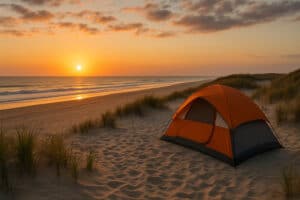
Conclusion – Why Camping Makes Ocracoke Unforgettable
Camping on Ocracoke isn’t just a way to save money on accommodations—it’s a way to connect more deeply with the island. When you’re sleeping under the stars, cooking by lantern light, and waking up to the sound of waves, the island feels less like a vacation spot and more like a second home.
Every detail—the ferry ride over, the salty breeze at sunrise, the shared stories with fellow campers—becomes part of your personal memory of Ocracoke. Whether you’re an RV traveler, a tent camper, or a family trying it for the first time, there’s a spot here waiting for you.
👉 My advice? Book early, pack smart, and lean into the simplicity. Ocracoke has a way of reminding you that the best adventures don’t come with room service—they come with sand between your toes, stars overhead, and the laughter of fellow campers echoing across the dunes.