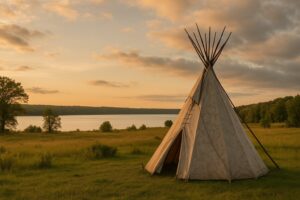
Most travelers come to northern Michigan for beaches, wineries, and waterfront fun, but the region also carries deep cultural and historical roots. The Lake Traverse Reservation—home to the Sisseton Wahpeton Oyate of the Dakota Sioux Nation—offers an opportunity to connect with stories far older than the cherry orchards or bayfront resorts.
This reservation, located in parts of Michigan, Minnesota, and the Dakotas, holds significance for Native American history, culture, and natural beauty. For history lovers, cultural travelers, or anyone curious about America’s first peoples, exploring the stories and landscapes tied to Lake Traverse adds another layer to a Traverse City journey. Learn how this historic region connects to Michigan’s broader coastal charm in the Ultimate Michigan Coast Travel Guide.
To connect this heritage with modern Michigan, see how the shoreline shaped local life in our Grand Traverse Bay article.
💡 Traveler Reflection: Standing near the water’s edge, I realized I wasn’t just looking at a lake—I was seeing a place that had sustained families, traditions, and stories for centuries. It made my entire trip feel richer, more connected.
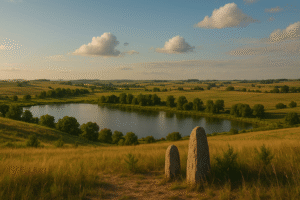
🏞 Understanding Lake Traverse Reservation
Before diving into what to see and do, let’s look at why this land matters.
Cultural Significance: Home of the Sisseton Wahpeton Oyate, a federally recognized Dakota Sioux Nation.
Historic Roots: Established in the mid-1800s through treaties between the Dakota people and the U.S. government.
Geography: Spread across parts of South Dakota, North Dakota, Minnesota, and extending its heritage ties into Michigan through tribal migration and trade.
Modern Life: The community maintains traditions while engaging in education, business, and cultural preservation.
💡 Traveler Note: I spoke with a local historian who said, “When you visit these lands, you’re not just seeing nature—you’re walking through a living story.”
🧭 Landscapes & Natural Beauty
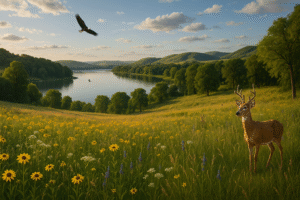
The Lake Traverse region is marked by its rolling hills, forested areas, and pristine waterways.
Lake Traverse: A glacial lake with fishing, boating, and birdwatching opportunities.
Prairie Lands: Open fields filled with wildflowers, echoing the landscapes of centuries past.
Sacred Sites: Areas tied to Dakota stories and oral traditions.
Wildlife: Eagles, deer, and migratory birds are commonly spotted.
💡 Traveler Reflection: The silence around Lake Traverse struck me. Unlike busier Michigan beaches, it felt untouched—a place where nature’s voice was louder than humanity’s.
📜 History of the Lake Traverse Reservation
The story of the Lake Traverse Reservation is not just about geography—it’s about people, treaties, struggles, and resilience. To understand this place is to step into the history of the Dakota Sioux Nation and their fight to preserve identity, culture, and sovereignty.
Connect this cultural story with the natural beauty described in Exploring Grand Traverse Bay.
💡 Traveler Reflection: Walking near Lake Traverse, I thought about how these waters had seen centuries of life—from the first villages and trade routes to modern-day ceremonies. The landscape felt like a living archive.
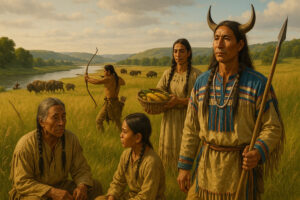
🌎 The Dakota Sioux People
Origins: The Dakota are part of the Oceti Sakowin, or “Seven Council Fires,” a confederation of Sioux Nations.
Territories: Before treaties, the Dakota Sioux lived across a vast region of the northern plains and Great Lakes.
Cultural Lifeways: Hunting bison, fishing, and farming sustained their communities. Storytelling, song, and ceremonies tied them deeply to the land.
💡 Traveler Note: I listened to a Dakota elder describe how every hill and river once carried meaning. “The land is not just where we live,” he said, “it is who we are.”
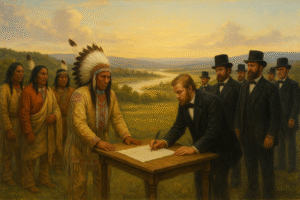
📑 The Treaties & Land Cessions
The Lake Traverse Reservation was officially created by the Treaty of 1867, signed with the Sisseton and Wahpeton bands of the Dakota Sioux.
Purpose: The U.S. government sought to confine Native people to defined territories.
Result: Millions of acres were ceded, drastically reducing Dakota homelands.
Reservation Creation: The Lake Traverse Reservation was one of the few Dakota lands not dissolved during the Allotment Era (late 1800s).
💡 Traveler Reflection: Reading the treaty texts in a local museum, I felt the weight of those words. They weren’t just legal documents—they were turning points in human lives.
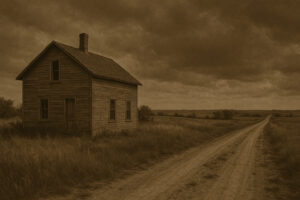
⚔️ Struggles & Resilience
Like many Native nations, the Dakota faced immense challenges.
Loss of Land: Allotment policies divided communal land into individual plots, leaving much sold to outsiders.
Cultural Suppression: Traditional ceremonies were banned for decades.
Boarding Schools: Children were taken from families and forced into assimilation.
Economic Hardship: Loss of resources created cycles of poverty.
Yet, despite all this, the Dakota endured and adapted.
💡 Traveler Reflection: Standing at a historical marker near the lake, I was reminded of how survival itself is an act of defiance.
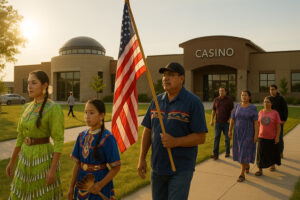
🔥 Modern Identity & Continuity
Today, the Sisseton Wahpeton Oyate (Dakota Sioux) are a thriving community, balancing tradition with modern life.
Cultural Renewal: Powwows, Dakota language programs, and oral history projects.
Economic Development: Casinos, small businesses, and agricultural initiatives.
Heritage Preservation: Protecting sacred sites, artifacts, and tribal museums.
Education: Schools and cultural centers that teach both modern skills and Dakota traditions.
💡 Traveler Note: Attending a powwow near Lake Traverse, I was struck by the sound of drums echoing across the bay. It felt both ancient and alive in the present moment.
🧾 Key Historical Snapshot
| Era | What Happened | Impact on Dakota People |
|---|---|---|
| Pre-1600s | Dakota Sioux inhabit Great Lakes region | Strong ties to land, oral culture |
| 1800s Treaties | Land cessions to U.S. government | Major loss of territory |
| Treaty of 1867 | Lake Traverse Reservation established | Tribal homeland secured |
| Late 1800s–1900s | Allotment & assimilation policies | Cultural & economic decline |
| 20th–21st Century | Cultural revival & tribal sovereignty | Renewed identity & growth |
💡 Traveler Reflection: History books often talk about battles and treaties, but when you stand at Lake Traverse, you realize history here is also about continuity—families still living, teaching, and thriving in the same landscapes.
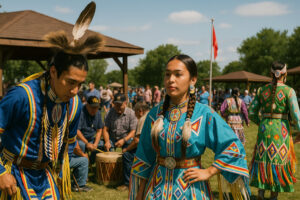
🎶 Cultural Experiences at Lake Traverse Reservation
The Lake Traverse Reservation isn’t just a place on the map—it’s a living cultural hub where traditions are carried forward through music, art, ceremonies, and storytelling. For visitors who want to connect more deeply with the Dakota Sioux heritage, there are unique opportunities to engage respectfully with the community.
💡 Traveler Reflection: When I attended my first powwow, I didn’t just see dancers in regalia—I felt the heartbeat of the drums echo through my chest, a rhythm older than the United States itself.
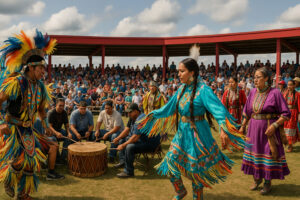
🥁 Powwows: A Celebration of Life
Powwows are the most visible and vibrant cultural gatherings on the Lake Traverse Reservation.
Drum Circles: The drum is considered the heartbeat of the people, and every song carries deep meaning.
Dancers in Regalia: Each outfit is handmade, often passed down through families, decorated with beadwork, feathers, and symbols of heritage.
Community Spirit: These gatherings are about honor, healing, and unity, not just performance.
Visitors Welcome: Outsiders are often encouraged to attend, listen, and learn—though always with respect.
💡 Traveler Note: A Dakota elder told me, “Every song you hear is not just music—it’s history in motion.”
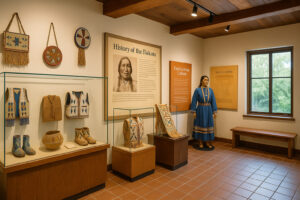
🏛 Museums & Cultural Centers
For those who want structured learning, there are cultural centers dedicated to preserving Dakota heritage.
Tribal Museums: Exhibits cover artifacts, historic treaties, traditional tools, and art.
Educational Programs: Many offer workshops on beadwork, language, and oral traditions.
History Panels: Outdoor markers around the reservation share Dakota history in context.
I was here for event everything was nice here, they tell it get change a lot ,because of exhibit they have there . They change durning the year .
💡 Traveler Reflection: I saw a pair of moccasins made 150 years ago. Their beadwork looked almost new, proof of how beauty survives even in hardship.
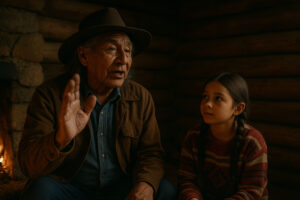
📖 Oral Storytelling
Dakota culture thrives on storytelling. Unlike history books, these stories are living knowledge passed from elders to youth.
Legends & Myths: Tales of the trickster Iktomi, creation stories, and morality lessons.
Seasonal Stories: Some stories are only told in winter, keeping cultural rhythm tied to nature.
Teaching Moments: Storytelling isn’t just entertainment—it carries lessons on values, respect, and survival.
💡 Traveler Note: I listened to a winter tale about a star woman who came to earth. It wasn’t just a myth—it was guidance on how to live well with the land.
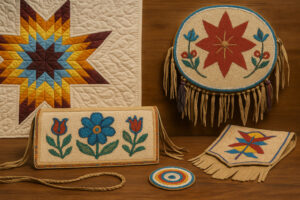
🎨 Dakota Art & Craft Traditions
Art is a vital way the Dakota Sioux preserve identity.
Beadwork: Every color and pattern tells a story.
Quillwork: An ancient technique using dyed porcupine quills.
Textiles: Star quilts are gifted at weddings, graduations, and ceremonies.
Modern Art: Dakota painters and sculptors blend tradition with contemporary voices.
💡 Traveler Reflection: I bought a small beaded keychain at a market—not just a souvenir, but a symbol of a story I now carry with me.
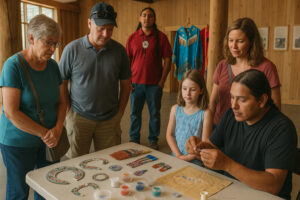
🧑🏫 Learning Opportunities for Visitors
Many programs allow respectful participation:
Workshops: Learn beadwork, drumming basics, or Dakota words.
Guided Tours: Tribal guides explain sacred sites and their history.
Community Events: Seasonal markets and cultural fairs open to the public.
💡 Traveler Note: I joined a beadwork class and realized how much patience and symbolism goes into even a small design. Every bead placement mattered.
🧾 Cultural Experience Snapshot
| Experience | What You’ll See/Do | Why It Matters | Best For |
|---|---|---|---|
| Powwows | Dance, drum circles, regalia | Living culture, community | Everyone, families |
| Museums | Artifacts, exhibits, workshops | Context & education | History lovers |
| Storytelling | Legends, oral histories | Teaches values, identity | Adults & older kids |
| Art & Crafts | Beadwork, star quilts, quillwork | Cultural symbolism | Shoppers & collectors |
| Workshops/Tours | Hands-on learning & guided visits | Respectful participation | Cultural travelers |
💡 Traveler Reflection: The biggest lesson I learned was this: culture isn’t just something in the past. At Lake Traverse, it’s happening right now—through music, stories, and art that continue to shape the present.
🏞 Outdoor Activities & Scenic Landscapes of Lake Traverse Reservation
While the history and culture of the Lake Traverse Reservation are powerful reasons to visit, the natural landscapes are just as unforgettable. This is a place where rolling prairies meet shimmering waters, and where outdoor enthusiasts can immerse themselves in both beauty and tranquility.
Fishing on Lake Traverse was peaceful and rewarding — we caught walleye right from the shore!
💡 Traveler Reflection: When I set out for a morning hike by Lake Traverse, I thought I’d only spend an hour. Instead, I spent nearly the whole day—walking, photographing, and just listening to the quiet.
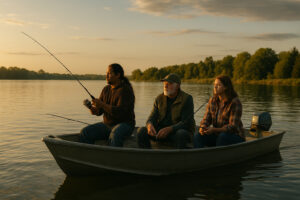
🎣 Fishing on Lake Traverse
Fishing has been a way of life here for centuries.
Species to Catch: Walleye, northern pike, perch, and bass.
Best Seasons: Spring and fall are prime for walleye; summer is lively for panfish.
Fishing Methods: Shore fishing, small boats, and guided trips.
Cultural Note: Fishing remains not only a sport but a tradition tied to Dakota foodways.
💡 Traveler Note: I met a local who shared smoked walleye caught that very morning—it was delicious, smoky, and unlike anything store-bought.
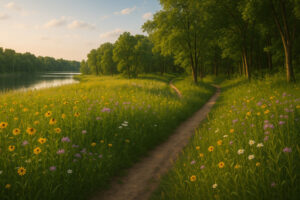
🚶 Hiking & Trails
The Lake Traverse Reservation includes scenic trails perfect for walkers and nature enthusiasts.
Prairie Walks: Open fields filled with wildflowers in summer.
Woodland Trails: Shady routes with bird calls and occasional deer sightings.
Lakeshore Paths: Easy walks with views over the sparkling water.
💡 Traveler Reflection: I walked along a prairie trail in late July, and the wildflowers seemed endless—purple coneflowers and goldenrod swaying in the wind.
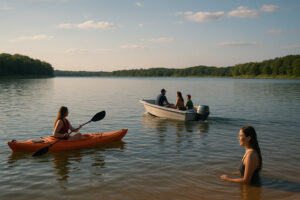
🚤 Boating & Water Activities
The lake itself is a natural playground.
Canoeing & Kayaking: Peaceful paddling with minimal waves.
Motor Boating: Popular for fishing or exploring farther into the lake.
Swimming: Select shallow areas are safe for dips during summer.
💡 Traveler Note: I rented a kayak and paddled near dusk. The water reflected the sunset in pink and orange—it felt like paddling across a painting.
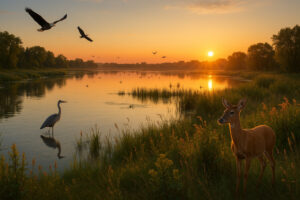
🦅 Birdwatching & Wildlife
The reservation’s diverse ecosystems make it a prime birding and wildlife area.
Bird Species: Bald eagles, pelicans, herons, songbirds, and migratory waterfowl.
Other Wildlife: White-tailed deer, foxes, and small mammals.
Photography Tip: Sunrise and sunset create dramatic lighting for both birds and landscapes.
💡 Traveler Reflection: Spotting a bald eagle perched on a cottonwood tree by the lake was the highlight of my trip. It felt like a blessing from the land itself.
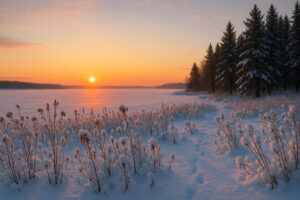
📸 Photography Hotspots
Sunrise on the Bay: Soft light hitting the lake.
Prairie Flowers in Bloom: Vibrant wildflower carpets.
Cultural Markers: Historical sites and monuments that add context to photos.
Winter Snowscapes: Crisp white against dark pines creates striking contrasts.
💡 Traveler Note: My favorite photo from the trip wasn’t even planned—I snapped a reflection of clouds in the lake that looked like a second sky.
🧾 Outdoor Activities Snapshot
| Activity | Highlights | Best Time | Best For |
|---|---|---|---|
| Fishing | Walleye, perch, northern pike | Spring/Fall | Anglers, families |
| Hiking | Prairies, woodlands, lakeshore | Year-round | Nature lovers |
| Boating/Kayak | Sunset paddles, fishing trips | Summer/Fall | Couples, solo travelers |
| Birdwatching | Eagles, pelicans, migratory birds | Spring/Fall | Photographers, birders |
| Photography | Landscapes, wildlife, cultural sites | All seasons | Travel bloggers |
💡 Traveler Reflection: The beauty of Lake Traverse isn’t flashy like a tourist attraction—it’s subtle, quiet, and deeply grounding. Every activity here feels less like “doing something” and more like belonging for a little while.
🧭 Planning Your Visit to Lake Traverse Reservation
Visiting the Lake Traverse Reservation is different from planning a trip to a typical tourist destination. This isn’t about flashy attractions or crowded festivals—it’s about slowing down, respecting traditions, and connecting with landscapes and people whose stories stretch back centuries.
If you’re coming from Traverse City, our Map of Neighborhoods & Must-See Areas helps chart the most scenic travel route. Plan driving routes from Traverse City using our Map of Neighborhoods & Must-See Areas.
🗺️ Map of Lake Traverse Reservation and Nearby Attractions
💡 Traveler Reflection: Before my trip, I thought I was just coming to see a lake. By the time I left, I realized I had been welcomed into a living classroom of history, culture, and nature.
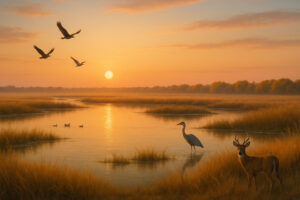
📅 Best Times to Visit
Every season offers something unique at Lake Traverse:
Spring (April–May): Blossoms, bird migrations, and fewer crowds.
Summer (June–August): Powwows, fishing, and warm lake activities.
Fall (September–October): Crisp hikes, golden prairies, and cultural festivals.
Winter (November–March): Quiet walks, snowy landscapes, and storytelling traditions.
💡 Traveler Tip: If you want to experience both nature and culture, time your visit during a summer powwow—the reservation comes alive with dance, drumming, and community.
🚗 Getting There
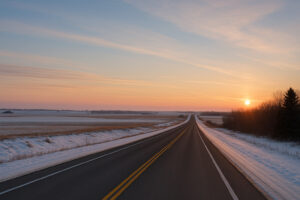
By Car: Easily accessible from nearby cities in Michigan, Minnesota, and the Dakotas.
Air Travel: The closest regional airports connect to larger hubs like Minneapolis and Fargo.
Local Travel: Once on the reservation, you’ll need a car for flexibility—distances between sites can be long.
💡 Traveler Reflection: Driving into Lake Traverse, I noticed how the roads seemed to open into wide skies and rolling landscapes. It set the tone for the slower pace of my visit.
🏨 Where to Stay
While the reservation itself offers limited accommodations, nearby towns provide options:
Hotels & Motels: Comfortable and budget-friendly in nearby towns.
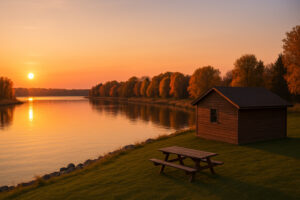
Cabins & Lodges: Lakeside rentals with peaceful views.
Camping: Some areas allow camping for a more immersive experience.
Tribal-Owned Resorts/Casinos: Options that support the local economy directly.
💡 Traveler Note: I stayed in a small lakeside cabin. Each morning I woke up to fog over the water, a peaceful reminder of why people have lived here for centuries.
🍴 Food & Dining
Food is an important part of cultural connection.
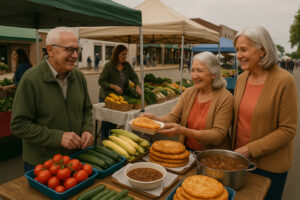
Tribal Events: At powwows, try traditional dishes like fry bread and bison stew.
Local Cafés: Nearby small towns have diners serving Midwest comfort food.
Markets: Farmers’ markets often feature local produce, wild rice, and traditional ingredients.
💡 Traveler Reflection: My first taste of warm fry bread, dusted with sugar, was unforgettable—simple, comforting, and deeply tied to heritage.
👥 Visitor Etiquette
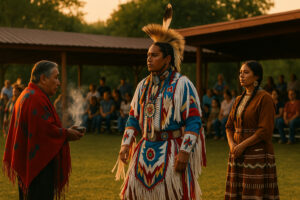
Respect is the most important thing when visiting Native American lands.
Ask Before Photographing: Especially at ceremonies or sacred sites.
Participate Respectfully: Powwows welcome guests, but follow announced rules.
Support Local: Buy crafts, attend workshops, and stay in tribal-owned lodgings.
Listen More Than You Speak: Let cultural leaders share their stories in their own way.
💡 Traveler Note: I learned quickly that the best thing to bring wasn’t my camera—it was humility and openness.

♿ Accessibility
The Lake Traverse Reservation is generally accessible for visitors:
Trails: Some paved areas near towns, though many natural trails are unpaved.
Cultural Centers: ADA-compliant with ramps and accessible restrooms.
Events: Powwow grounds typically provide wheelchair access.
🧾 Travel Planner Snapshot
| Travel Element | Key Details | Best For |
|---|---|---|
| Best Season | Summer (powwows) / Fall (foliage) | Culture + nature fans |
| Getting There | Drive or regional airports | Flexible travelers |
| Accommodations | Cabins, lodges, tribal resorts | Families, couples |
| Food | Fry bread, bison stew, wild rice | Foodies, culture seekers |
| Activities | Fishing, hiking, powwows, photography | Everyone |
🌟 Final Thoughts
Visiting the Lake Traverse Reservation is not about checking off attractions—it’s about stepping into a living story. It’s where the Dakota Sioux continue their traditions, where history still breathes, and where nature and culture intertwine seamlessly.
Prefer a quieter bay day? Compare experiences at Clinch Park to balance cultural learning with relaxation. Compare seasonal outdoor experiences with Clinch Park Traverse City.
💡 Traveler Reflection: As I left Lake Traverse, I realized I hadn’t just seen a place—I had been taught a lesson in resilience, respect, and connection. It’s the kind of travel experience that stays with you long after you’ve gone home.
❓ Frequently Asked Questions About Lake Traverse Reservation
It’s the homeland of the Sisseton Wahpeton Oyate of the Dakota Sioux Nation, established in 1867 through treaty agreements.
Yes—most powwows and community markets are open to the public, though respectful participation is expected.
Fishing, hiking, boating, birdwatching, and photography are the top choices.
No—the Lake Traverse Reservation primarily spans South Dakota, North Dakota, and Minnesota, but its cultural ties extend into Michigan through history, migration, and trade.
Yes—some tribal cultural centers offer guided tours and workshops, which are the best way to learn about Dakota history and traditions.
Camping may be available in designated areas; check with tribal offices for permission and guidance.
Avoid trespassing on sacred sites, taking photos without consent, or treating cultural events like entertainment.
Stay at tribal-owned accommodations, purchase Dakota crafts, and attend cultural learning programs.

