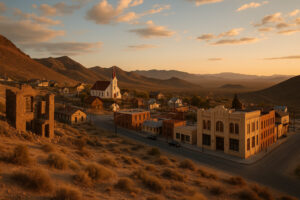
Nevada’s story is one of endurance. From mountain ghost towns to Art Deco hotels, each corner of the Silver State holds traces of grit and imagination. Travelers come for the desert light and wide horizons, yet what lingers is the human spirit woven into these landscapes. Exploring Nevada’s historic and cultural experiences means tracing a path through time — following miners, dreamers, and families who turned an unforgiving frontier into a place of beauty and belonging.
This guide reveals how history still shapes Nevada today. You’ll walk through preserved mining camps, sleep inside century-old hotels, drive roads once traveled by stagecoaches, and join small-town festivals that carry traditions older than the state itself. Whether you seek quiet towns or living museums, Nevada rewards curiosity with authenticity.
From Silver Dreams to Cultural Heritage
How Nevada’s Frontier History Shaped Its Towns
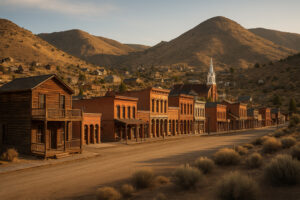
Nevada became a state in 1864 during the American Civil War, fueled by the discovery of the Comstock Lode — a strike so rich in silver that it financed parts of the Union cause. Mining camps sprang up overnight, evolving into communities where miners, merchants, and immigrants built a patchwork society. These settlements — Virginia City, Austin, Eureka — grew from tents to brick facades within a decade.
Railroads soon linked the mountain towns with California and Utah, bringing both prosperity and cultural exchange. Opera houses, schools, and newspapers appeared. The same miners who dug tunnels by day attended theater performances at night. This unlikely blend of hardship and refinement gave Nevada its distinct character: rugged but cultured, practical yet ambitious.
Today those towns stand as open-air archives. Their wooden boardwalks creak with history, and their saloons still serve travelers tracing the same routes carved by prospectors.
Explore From Silver Dreams to Cultural Heritage on Google Maps
Native American Roots and Early Settlements
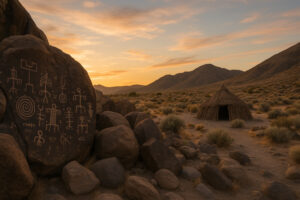
Long before the silver rush, Nevada’s valleys were home to the Washoe, Northern Paiute, and Western Shoshone peoples. They adapted to extreme seasons, following game and water sources across the Great Basin. Petroglyphs etched on canyon walls near Fallon and Ely record centuries of spiritual connection to this desert land.
Modern travelers can visit heritage sites such as Grimes Point Archaeological Area and the Stewart Indian School Cultural Center in Carson City. These places tell stories that pre-date mining — stories of survival, art, and community. Recognizing Nevada’s Indigenous roots transforms a simple road trip into a respectful dialogue with the land’s first caretakers.
The Mining Boom and the Birth of the Silver State
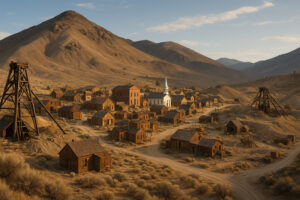
In 1859, two Irish miners, Patrick McLaughlin and Peter O’Riley, struck a vein of ore on Sun Mountain. Their discovery became the Comstock Lode, the richest deposit of silver ever found in North America. Within months, prospectors flooded the region. Banks, brothels, and newspapers rose beside mine shafts. Mark Twain worked here as a young reporter, sharpening his wit on tales from Virginia City’s chaotic streets.
Mining shaped not only towns but also politics. Profits funded public works, and Nevada’s admission to the Union secured its nickname: the Silver State. When ore declined, many communities emptied almost overnight. Yet abandonment preserved them. Unlike other states where modern construction erased the past, Nevada’s dry climate and isolation kept these ghost towns frozen in time.
Today, visitors can step into Belmont’s old courthouse or Austin’s Stokes Castle and see history undisturbed. Preservation groups now protect these sites, proving that the boom’s legacy is cultural as much as economic.
Railroads, Stagecoaches, and the Growth of Tourism
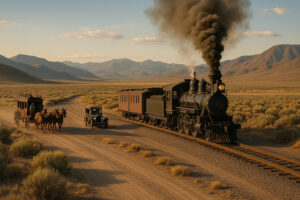
Transportation transformed Nevada’s destiny. In the 1860s, the Pony Express cut across its deserts carrying mail between Missouri and California. Stagecoach lines soon followed, connecting mining towns to the wider world. By the early 1900s, the Virginia & Truckee Railroad turned commerce into spectacle — passengers gazed from open-air cars at sagebrush valleys and mountain passes.
These same routes laid the foundation for modern tourism. When automobiles replaced steam engines, Nevada embraced the highway age. The Lincoln Highway — America’s first cross-country road — and later U.S. Route 50 carried travelers who sought not fortune but freedom.
Today, heritage railways in Ely and Virginia City offer vintage rides, while restored depots serve as museums. Each whistle echo reminds visitors that Nevada’s story has always been one of movement — of people crossing distances in search of meaning.
(Next Section Preview)
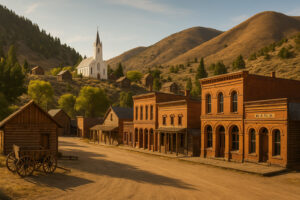
In Part 2, we’ll step into the towns that keep Nevada’s past alive — Virginia City’s wooden sidewalks, Tonopah’s desert landmarks, Ely’s railroad streets, and Genoa’s pioneer charm. Each community offers its own blend of museums, festivals, and personal stories that show how heritage still shapes daily life.
Every corner of Nevada tells a different story. In some towns, the clang of a hammer once echoed from mine shafts; in others, the scent of pine drifted from carpenter shops and frontier kitchens. Exploring these historic towns offers travelers a living museum of American ambition, hardship, and artistry. Below are the communities where the state’s past still walks its streets.
Virginia City – Where the West Still Echoes
The Comstock Legacy and Preserved Architecture
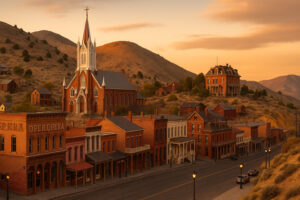
Perched above the desert valley, Virginia City remains Nevada’s best-preserved boomtown. It was born in 1859 after the Comstock Lode discovery and quickly became one of the richest cities in the nation. By 1870, electric lights, elegant theaters, and multistory hotels lined its hills. The city’s surviving Victorian buildings — many made from locally fired brick — show the craftsmanship of European immigrants who brought old-world design to the New West.
Visitors walking along C Street see restored saloons, false-front shops, and the Grand Opera House, where Mark Twain once gathered stories. Even after the silver veins dried, the town refused to fade. Preservation groups, museum volunteers, and family-run inns keep Virginia City alive as a center of heritage tourism.
Local Museums and Old-Time Attractions
The Fourth Ward School Museum and Comstock History Center interpret life during the boom. Vintage classrooms, mine maps, and letters reveal the grit behind the glory. Nearby, the Virginia & Truckee Railroad operates vintage trains through Gold Hill’s scenic cut — a ride that feels like stepping back to 1875.
Small curiosities also color the town. The Bucket of Blood Saloon hosts live western music each weekend, and the Silver Queen Hotel still displays its portrait of a queen made entirely of silver dollars.
This is now one of THREE museums housed in one building and collectively titled the Harvard Art Museums
According to visitors on TripAdvisor, the Virginia & Truckee Railroad is one of the state’s top-rated heritage rides for families and photographers alike.
Annual Events and Cultural Reenactments
Each September, Virginia City transforms for the International Camel Races — an event as eccentric as its miners once were. During Halloween, ghost tours explore rumored hauntings in the Mackay Mansion. December brings a Victorian Christmas festival where carolers in top hats stroll lanes lit by lanterns. These celebrations weave entertainment with education, showing how heritage still shapes community life.
Tonopah – Nevada’s Silver Queen of the Desert
Mining Legends and Desert Landscapes
Tonopah rose from dust in 1900 when Jim Butler found silver-rich rock while searching for a lost burro. Within months, tents became timber buildings, and the town grew into a major mining hub halfway between Reno and Las Vegas. Its location earned it the nickname “Queen of the Desert.”
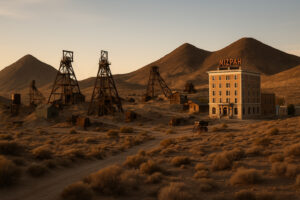
The Tonopah Historic Mining Park, built on the original claim site, preserves headframes, hoists, and underground tunnels. Visitors can walk self-guided trails among rusted machinery, learning how miners battled heat, dust, and loneliness in their search for fortune.
The Mizpah and the Clown Motel Connection
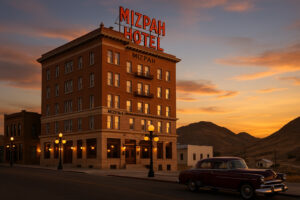
No visit to Tonopah feels complete without a night at the Mizpah Hotel. Built in 1907, it was once the tallest building in Nevada, famous for its marble floors and the legendary Lady in Red. The hotel anchors Tonopah’s historic district, its stone façade glowing softly under desert starlight.
Just down the road, the Clown Motel adds a touch of whimsy and folklore. Its collection of clown figures — some cheerful, others eerie — has become a modern icon of Nevada road-trip culture. Together these two places show how the town blends heritage with imagination.
What to Explore Around Town
Beyond Main Street, travelers find quiet beauty in the surrounding hills. The Tonopah Cemetery, dating to 1901, tells poignant stories through weathered headstones. Photographers chase sunsets over the Belmont Mountains, while stargazers visit the Tonopah Stargazing Park, renowned for its crystal-clear skies. Each view reminds you why Tonopah remains a favorite stop on Nevada’s heritage map.
Ely – A Living Railroad Town
Nevada Northern Railway Heritage
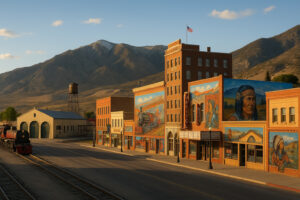
Ely grew where rails met ore. When the Nevada Northern Railway arrived in 1906, it connected the state’s mines to world markets and turned this remote town into a center of commerce. Today the original roundhouse and machine shop operate as a museum. Visitors can ride restored steam locomotives through canyons once filled with ore trains.
The rail yard still smells of oil and iron. Guides share stories of engineers who worked through blizzards and desert dust storms. Each ride supports preservation projects funded by local volunteers — proof that heritage thrives through community effort. Ghost-town explorers can branch out to White Pine County’s best ghost towns from Ely.
Total fun experience. Great staff and experience. Go on the train ride, then the walking tour. Going back to do a specialty rode soon!
The Nevada Northern Railway Museum earns five-star reviews for its authentic steam trips and hands-on volunteers.
Historic Downtown and Murals
Ely’s downtown mixes frontier architecture with modern color. Historic brick hotels and theaters line Aultman Street, their facades brightened by murals depicting railroad workers, cowboys, and Native American heritage. The annual Ely Art Bank Festival brings painters from across the West to add new masterpieces each summer.
Ghost Tours and Cultural Experiences
The Overland Hotel and Saloon, built in 1908, anchors local lore with tales of haunted hallways. Visitors join guided night tours that blend folklore and history, ending with music and Nevada beer at the saloon. For family visitors, the White Pine Public Museum offers hands-on exhibits about pioneer life and regional fossils. Ely manages to feel authentic without becoming staged — a true living railroad town.
Genoa – Nevada’s First Settlement
Mormon Station and Early Pioneers
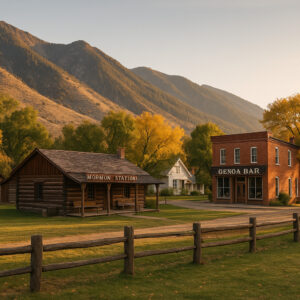
Nestled in Carson Valley, Genoa was established in 1851 as Nevada’s first permanent settlement. Traders built a small post to serve wagon trains crossing the Sierra Nevada on their way to California. Today that post is preserved as Mormon Station State Historic Park. Log cabins, artifacts, and interpretive displays explain how settlers survived harsh winters and forged cooperation with local Washoe people.
Genoa Bar and Small-Town Traditions
The Genoa Bar and Saloon claims to be the oldest drinking establishment in Nevada, operating since 1853. Inside, dusty chandeliers and vintage photos create a sense of continuity. Visitors can almost hear the clink of spurs on wooden floors. Nearby shops sell locally crafted honey and leather goods, and weekend markets fill the square with live music and artisan food.
Annual Candy Dance Festival
Each September, Genoa hosts its famous Candy Dance, a tradition dating back to 1919 when locals sold homemade sweets to raise money for street lights. The event grew into a two-day festival with craft booths, parades, and a community dance under the stars. Visitors describe it as Nevada’s most wholesome celebration — proof that heritage can taste as sweet as candy.
Austin and Belmont – Forgotten Mining Villages
Why These Ghost Towns Matter
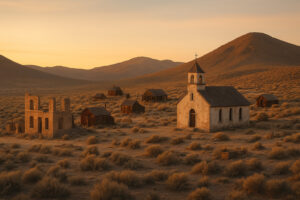
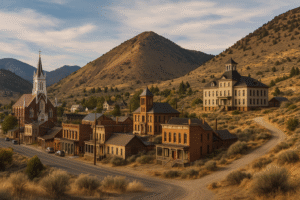
Austin, founded in 1862 along the Pony Express route, once produced millions in silver and lead. Belmont, its neighbor, served as the Nye County seat in the 1870s. When the mines declined, residents moved away, leaving churches and stone courthouses standing empty against the hills. Today those buildings stand as solemn monuments to the rise and fall of frontier dreams.
How to Visit and What to Expect
Travelers reach Austin via U.S. Route 50, the Loneliest Road in America. The journey itself is part of the experience: endless desert views, occasional wild mustangs, and silence so complete it feels spiritual. In town, stop at St. Augustine’s Church and the Austin Historical Society Museum. Belmont lies a bit farther south and offers a photographer’s paradise — weathered brick walls, rusting machinery, and desert sage creeping through doorways.
Both towns invite quiet reflection rather than entertainment. They are reminders that Nevada’s heritage is not only preserved in luxury hotels but also in the empty streets that once hummed with life.
Staying Where History Sleeps: Nevada’s Timeless Hotels
The best way to understand Nevada’s story is to stay inside it. Across the state, century-old hotels welcome guests with creaking staircases, marble lobbies, and stories whispered through wooden halls. These buildings once hosted miners, merchants, and presidents. Today they blend nostalgia with comfort, offering travelers living contact with the Silver State’s past.
Explore Staying Where History Sleeps: Nevada’s Timeless Hotels on Google Maps
The Mizpah Hotel – Tonopah’s Grand Legend
From Boomtown to Boutique Elegance
Opened in 1907, the Mizpah Hotel became Nevada’s tallest building and a symbol of modern progress. Marble floors, crystal chandeliers, and imported wallpaper made it a marvel in the middle of the desert. Businessmen arrived by rail, and socialites danced beneath its golden ceilings.
After decades of decline, new owners restored the hotel in 2011, carefully polishing brass fixtures and reopening rooms filled with antiques. Guests today enjoy plush bedding, local artwork, and the quiet satisfaction of sleeping where frontier luxury began.
Legends and Local Life
The Lady in Red ghost remains the hotel’s most famous resident. Staff tell her story with affection, and visitors sometimes claim to smell her perfume near the elevator. Whether ghost or imagination, she connects the present to Tonopah’s romantic past.
Evenings bring travelers to the Jack Dempsey Room Bar, named for the boxer who once visited. Under soft lighting, locals share stories of mines, mirages, and the enduring power of the desert.
Wonderful and beautiful campground! Very clean and has full hookups. Zach and Kelly were very helpful and welcoming hosts.
Travelers on TripAdvisor consistently rank the Mizpah among Nevada’s most memorable historic stays, praising its staff and period details.
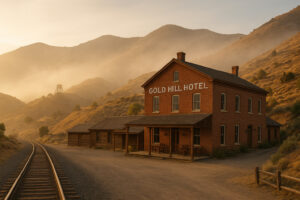
Gold Hill Hotel – Echoes of the Comstock Lode
Nevada’s Oldest Operating Inn
Built in 1859 near Virginia City, the Gold Hill Hotel has never closed its doors. Its red-brick façade faces hills still marked by mine shafts. Inside, low ceilings, oak beams, and crackling fireplaces transport guests to the dawn of the Comstock Lode.
Each room bears a name honoring early pioneers, and the inn’s compact scale encourages quiet reflection. The Crown Point Restaurant serves hearty western meals paired with Nevada wines. Dine by lamplight as steam whistles from the nearby Virginia & Truckee Railroad echo across the canyon.
Why Stay Here
The Gold Hill Hotel offers authenticity without artifice. Travelers seeking romance or history find both in its rustic charm. Wake to the scent of coffee and pine, step onto the balcony, and watch morning sun burn through the mist above the old mines — it feels like time itself is still waking.
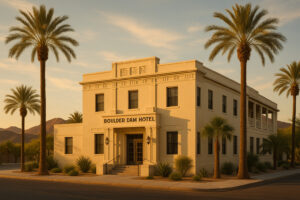
Boulder Dam Hotel – Art Deco Elegance in the Desert
Built for Visionaries
When construction of Hoover Dam began in 1933, Boulder City rose beside it as a government town for engineers and workers. The Boulder Dam Hotel, completed in 1933, became its social heart. Its pale stucco walls and geometric details brought Art Deco style to the desert frontier.
Historic Charm and Modern Calm
Today the hotel functions as both inn and museum. The Boulder City–Hoover Dam Museum inside showcases photos and diaries from the dam’s builders. Upstairs, restored guest rooms combine vintage furniture with air-conditioned comfort. The café serves breakfast beneath ceiling fans that have turned for ninety years.
The lodge is lovely with comfortable rooms and nice common areas. Wonderful breakfasts and had a delicious dinner. There are great trails and fun art on the grounds. We are so glad we booked there and recommended them highly.
he Boulder Dam Hotel holds a Certificate of Excellence for its Art Deco atmosphere and museum access.
Why Stay Here
Choosing the Boulder Dam Hotel means choosing reflection over rush. Guests can explore Lake Mead by day and return to quiet evenings framed by palm trees and history. It is a sanctuary for travelers who love design, engineering, and human achievement.
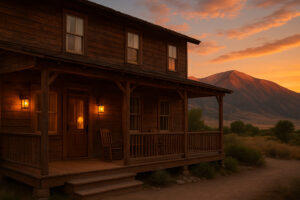
Genoa Station Inn – Roots of Hospitality
Where Nevada Began
The Genoa Station Inn sits at the foot of the Carson Range in Nevada’s oldest town. The building once served stagecoaches crossing the Sierra Nevada. Wooden beams, hand-sewn quilts, and antique lamps preserve the feeling of a frontier home.
Experience and Community
Guests wake to birdsong and the smell of coffee drifting from the kitchen. The innkeepers share stories about Mormon Station and the Genoa Bar, the state’s oldest saloon. Evenings often end on the veranda with mountain views glowing rose in the setting sun.
Why Stay Here
For travelers seeking intimacy rather than grandeur, Genoa Station Inn offers peace, authenticity, and proximity to Carson Valley’s trails and festivals. It is the gentler face of Nevada’s heritage.
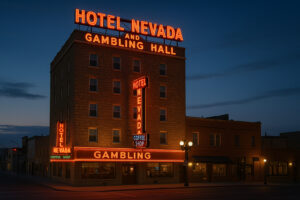
Hotel Nevada and Gambling Hall – Ely’s Classic Landmark
Pride of the Loneliest Road
When it opened in 1929, Hotel Nevada stood six stories tall — the tallest structure for hundreds of miles. Its stone walls and neon sign greeted travelers crossing U.S. Route 50. Celebrities like Gary Cooper and Ingrid Bergman stayed here while filming westerns nearby.
Inside the Legend
The lobby gleams with varnished wood and displays photos of famous guests. Vintage slot machines and a small casino keep the mood lively but nostalgic. Upstairs, rooms mix classic décor with modern bedding. The staff’s hospitality feels proudly old-fashioned.
Exploring Ely
A short walk leads to the Nevada Northern Railway Museum and historic murals downtown. After a day of exploring, guests return to a hot meal in the diner and stories shared over coffee.
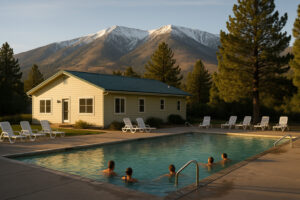
Carson Hot Springs Resort – Relaxation Through the Ages
Healing Waters of the Sierra
Long before hotels, the Washoe people soaked in these geothermal pools for their curative powers. In the 1880s, settlers built bathhouses, and Carson Hot Springs became a wellness retreat for rail travelers. The modern resort honors that legacy with simple, clean design and natural mineral pools.
Experience and Setting
The resort lies just north of Carson City, surrounded by pines and mountain views. Visitors can alternate between soaking and exploring the capital’s historic districts. Museums, state buildings, and heritage restaurants lie minutes away.
Why Stay Here
After long days of road tripping, Carson Hot Springs offers restoration in its purest form. The experience connects travelers to Nevada’s land and its timeless sense of resilience.
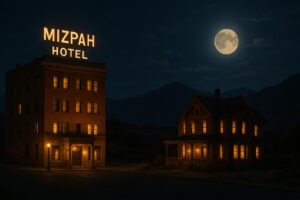
Romantic and Haunted Historic Inns Across Nevada
Love and Legends
Nevada’s old inns carry two kinds of magic — romance and mystery. Couples often book rooms at the Mizpah or Gold Hill for anniversaries, drawn by old-world elegance. Adventure seekers chase the paranormal stories of Tonopah and Ely. Every ghost tale adds texture to the state’s heritage, turning a night’s stay into an experience that lingers.
Connecting Heritage with Emotion
What makes these hotels special is not only their age but their continuity of feeling. Guests arrive as strangers and leave with a sense of ownership — as if they too have added a line to Nevada’s ongoing story. The state’s hoteliers see preservation as part of hospitality: maintaining buildings so that future generations can dream within their walls.
Journey Through Time: Nevada’s Heritage Road Trips
Nevada was born on the move. Stagecoaches, freight wagons, and later steam trains cut the first paths across its desert basins. When automobiles arrived, those rough trails evolved into a web of highways that still trace the same valleys and passes. Driving them today is more than sightseeing — it’s retracing the routes of miners, settlers, and dreamers who defined the Silver State. For point-to-point planning, see our historic drives between Reno and Las Vegas.
Explore Journey Through Time: Nevada’s Heritage Road Trips on Google Maps

The Loneliest Road in America – U.S. Route 50
Landmarks and Old Stops Along the Way
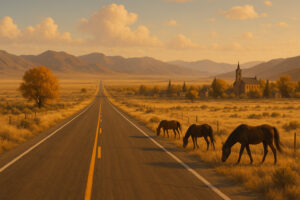
U.S. Route 50 stretches from the Utah border to Fallon, Nevada, slicing through mountain ranges and ghost towns. In 1986, Life magazine called it “The Loneliest Road in America,” yet those who travel it discover richness in the quiet.
The drive begins near Great Basin National Park, home to 5 000-year-old bristlecone pines. From there, small towns unfold like chapters: Baker, Ely, Eureka, Austin, and Fallon. Each keeps fragments of the past — Victorian courthouses, stone churches, and hand-painted store signs. The Nevada State Highway Department even created a “Loneliest Road Survival Guide”; at each town, visitors collect a stamp proving they braved the emptiness.
Connecting Ely, Austin, and Fallon
Between Ely and Austin, the landscape alternates between wide salt flats and sagebrush-covered slopes. Historical markers describe mining claims, Pony Express stations, and the route’s role as part of the old Lincoln Highway. Austin’s steep main street, still lined with 1860s brick buildings, makes a perfect overnight stop before reaching Fallon, where irrigated farmlands signal the edge of the desert.
Tips for Travelers Driving Historic Nevada
Plan fuel stops carefully; stretches exceed 100 miles without services. Summer travelers should carry water and tire repair kits, while winter drivers should watch for snow on mountain passes. Audio tours from local visitor centers add storytelling that turns the drive into a rolling history lesson. Photographers find sunrise between Eureka and Austin unforgettable — golden light touching the ruins of the International Hotel.

The Extraterrestrial Highway and Area 51 Legends
Cultural Fascination with Nevada’s Mystique
State Route 375, officially named the Extraterrestrial Highway, runs 98 miles between Crystal Springs and Warm Springs. It skirts the perimeter of the famed Area 51 military base, inspiring decades of UFO stories. While mystery draws visitors, the highway also passes genuine heritage sites: old mining camps, Cold War airfields, and the tiny town of Rachel — population less than 100 — where the Little A’Le’Inn serves both burgers and folklore.
Locals treat the alien theme with humor, but the region’s deeper story lies in exploration. Long before conspiracy seekers arrived, early ranchers and prospectors crossed these valleys. Today, their rusting windmills and stone foundations share space with green alien murals — a vivid symbol of Nevada’s blend of fact and fantasy.
Nearby Historic Sites and Ghost Towns
Travelers can detour to the Ghost Town of Tybo or the Belmont Courthouse State Historic Park. Both illustrate 19th-century mining life, with interpretive signs describing how isolation shaped communities. At night, the Extraterrestrial Highway becomes an astronomer’s paradise.
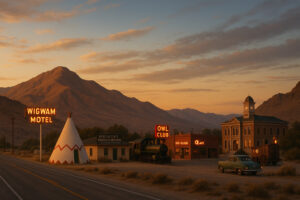
The Lincoln Highway – America’s First Cross-Country Route
Its Role in Nevada’s Growth
Before the numbered highway system existed, the Lincoln Highway (1913) promised motorists a drivable road from New York to San Francisco. Nevada’s segment, running roughly along present-day U.S. 50 and Interstate 80, connected Reno, Carson City, and Ely to the rest of the country. For early travelers, gas stations and “auto courts” were few; maps advised carrying spare tires and shovels.
The highway stimulated tourism and modernized Nevada’s economy. It turned remote towns into rest stops, encouraged road construction, and eventually inspired motels and diners that became landmarks themselves. Many neon signs seen along Highway 50 today trace their heritage to this route.
Where to Stop and What to See Today
In Fernley, the Wigwam Motel recalls 1950s roadside style. Carson City offers the Nevada State Railroad Museum with restored locomotives from the Virginia & Truckee line. Further east, Eureka displays its brick Opera House and County Courthouse, both built in the 1870s and still in use. Drivers can also follow historical markers that outline the original Lincoln Highway alignment, much of which still parallels modern I-80.
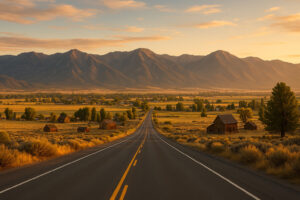
Scenic Byways of Western Nevada
Carson Valley Heritage Drive
Just south of Carson City, Highway 395 curves through the Carson Valley and the towns of Minden and Gardnerville. These communities were founded by Basque and German immigrants who brought farming skills to the high plains. Today their heritage lives in restaurants serving Basque stews and in century-old barns restored as boutique inns.
The drive offers broad views of the Sierra Nevada crest and easy access to historic sites like Mormon Station in Genoa. Travel writers often call it Nevada’s most graceful byway — a place where agriculture, architecture, and mountains share the stage. For quiet small-town flavor and Basque cuisine tips, see Gardnerville: Nevada’s quiet Sierra foothill retreat.
Mount Rose and Lake Tahoe Loop
For those seeking alpine heritage, the Mount Rose Scenic Byway links Reno to Incline Village at Lake Tahoe. The route climbs through forests once logged to supply Comstock mines. Interpretive signs describe how timber from these slopes supported Virginia City’s mineshafts. At the summit, a pull-out reveals a panoramic view of Tahoe’s blue waters framed by snow peaks — the same vista that inspired artists and railroad investors a century ago. Road-trippers can add a dramatic geology stop with Mono Lake in the Sierra Nevada.
Travelers can continue the loop around the lake, stopping at historic lodges like the Cal Neva Resort — once owned by Frank Sinatra — before descending back toward Reno’s Victorian neighborhoods. The journey combines natural beauty with cultural memory, proving that Nevada’s heritage extends beyond the desert to its mountain rims. Hikers can extend the trip with quiet hiking trails in Northern California just beyond Tahoe.
Travel Tips for Exploring Nevada’s Heritage Highways
Plan for distance. Cell service is limited in many valleys. Carry paper maps and extra fuel.
Embrace the slowness. Historic routes reward unhurried travel — stop at every small-town museum and talk with locals.
Watch for wildlife. Wild mustangs and antelope often cross the roads at dusk.
Stay overnight. Sleeping in heritage hotels along these roads turns a drive into a story.
Travel in spring or fall. Temperatures are mild, and festivals fill town squares.
Festivals, Events & Living Traditions Across Nevada
Nevada’s story doesn’t end in museums; it dances, sings, and parades through every season. Across the state, towns celebrate their past with festivals that honor pioneers, artists, and dreamers who shaped the desert’s soul. From the cowboy poetry of Elko to the glittering cars of Reno’s Hot August Nights, these gatherings connect communities while inviting travelers to join their traditions. Plan your calendar with our roundup of festive traditions across Northern Nevada towns.

Elko Cowboy Poetry Gathering – The Voice of the West
Origins and Meaning
Every January, Elko becomes the capital of the American West. Since 1985, the Elko Cowboy Poetry Gathering has celebrated ranching life through verse, song, and storytelling. It began as a meeting of working cowboys reciting trail poems; today it draws performers from across the world.
Participants wear dust-worn boots and wide hats, standing beneath stage lights to share humor, heartbreak, and hard truths of desert life. The Western Folklife Center hosts the event and runs year-round exhibitions preserving rural arts.
Experience and Atmosphere
During festival week, downtown Elko fills with music and crafts. Visitors sample chuck-wagon meals and watch saddlemakers demonstrate their trade. Workshops teach leather tooling, western swing dance, and story composition. The energy feels intimate and genuine — a rare chance to see heritage alive rather than displayed behind glass. Between performances, follow the ranching story on Nevada’s Cowboy Heritage Trails.
Why It Matters
The Cowboy Poetry Gathering embodies Nevada’s identity as a bridge between past and present. Its performers speak for families who still work remote ranches and for urban audiences searching for roots. Few festivals capture the authentic voice of the West as powerfully as Elko.
Genoa Candy Dance – A Century of Sweet Tradition
A Fundraiser Turned Statewide Celebration
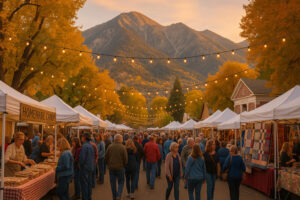
Each September, Nevada’s oldest town transforms into a storybook scene. The Genoa Candy Dance began in 1919 when a few residents sold homemade candies to buy streetlights. The idea glowed brighter each year; now more than 30 000 visitors attend to sample fudge, caramel, and handcrafted art beneath the Carson Range.
Community Spirit and Craftsmanship
Local volunteers cook for weeks before the event, stirring batches in vintage copper kettles. Stalls line the streets with Nevada honey, quilt blankets, and folk art. Saturday night’s dance still sparkles under string lights, echoing the first gathering a century ago.
Traveler Tips
Arrive early to find parking, stay at nearby Genoa Station Inn or Minden heritage lodges, and save room for sweets — locals say no visitor leaves without at least a pound of fudge. Beyond taste, the Candy Dance preserves small-town cooperation that built Nevada’s communities.
Virginia City Victorian Christmas & Parade of Lights
History Meets Holiday Charm
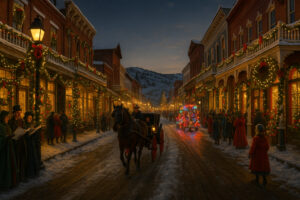
In December, Virginia City’s 19th-century streets glow with lamplight and garlands. The Victorian Christmas Festival invites guests to walk cobblestone lanes while carolers sing in period dress. Horse-drawn carriages clatter past brick shops, and the air smells of pine and mulled cider.
The event revives traditions from the Comstock boom era when miners decorated boarding houses with hand-cut paper chains and church choirs performed for charity. If you’re nearby in December, hop over the border for Victorian Christmas in Nevada City—a charming Sierra foothill companion to Virginia City’s festivities.
Festival Highlights
Visitors browse artisan markets inside historic halls, attend tea parties at the Gold Hill Hotel, and join the evening Parade of Lights. Every storefront competes for the best-decorated window award. At night, the entire town seems to float in candlelight — a scene straight from a Charles Dickens novel set in the American West.
Ely Renaissance Village and Art Festival
Reviving Diversity and Craft
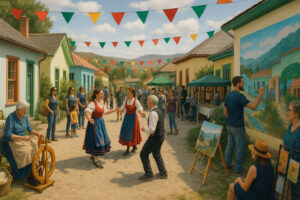
Ely’s Renaissance Village celebrates the immigrant heritage that built its railroads and mines. Historic cottages have been restored to represent the homes of Italian, Greek, Basque, and Chinese families who once lived here. Each autumn, the Ely Art Festival fills these courtyards with music, food, and folk dance.
Experience for Visitors
Guests sample Mediterranean pastries, watch spinners demonstrate loom work, and listen to folk songs in multiple languages. Children try hands-on craft lessons while artists paint murals celebrating White Pine County’s heritage.
The festival embodies inclusion and education, reminding travelers that Nevada’s history was written by many hands and voices.
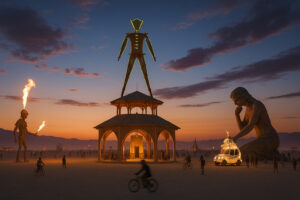
Burning Man – Modern Myth in the Desert
Origins and Philosophy
While Burning Man in Black Rock City may seem modern, its roots tie to the same pioneering spirit that built Nevada’s earlier communities. Started in 1986 on San Francisco’s Baker Beach and moved to the Nevada desert in 1990, the event honors creativity, self-reliance, and cooperation — values that echo frontier life.
Art, Expression, and Ephemeral Culture
For a week each August, participants construct a temporary city on the playa. Giant sculptures rise from dust, interactive art cars roam streets, and performers share music without commerce or advertising. At week’s end, the symbolic wooden Man burns beneath the stars — a ritual of release and renewal.
Connection to Nevada’s Spirit
Though Burning Man draws a global audience, it reflects Nevada’s enduring themes: survival in extreme landscapes and the power of community. Its location in the Black Rock Desert turns a remote wilderness into the world’s most imaginative gallery.
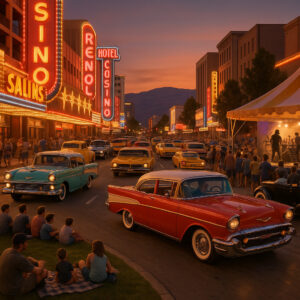
Hot August Nights – Reno’s Retro Revival
Celebrating Automotive Heritage
Reno’s Hot August Nights started in 1986 to celebrate 1950s and 1960s car culture. Each summer, over 6 000 classic cars cruise the streets while rock-and-roll bands play on outdoor stages. Though younger than most historic festivals, it preserves mid-century design and American road-trip nostalgia.
Event Highlights
The Grand Sierra Resort hosts show-n-shine competitions, and downtown Reno becomes a neon museum of chrome. Families picnic beneath marquees while mechanics explain restoration techniques. It’s both a party and a tribute to the era that defined modern Nevada tourism.
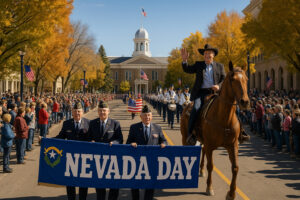
Nevada Day Parade – Pride of the Silver State
A Statewide Birthday Celebration
Each October, Carson City hosts the Nevada Day Parade to commemorate statehood on October 31, 1864. Floats, marching bands, and veterans fill Main Street in the state’s largest civic event. Schools close, offices pause, and citizens gather to celebrate heritage with pride.
Cultural Events and Exhibits
Museums offer free admission; the Capitol grounds host craft fairs and Native American performances. The Governor often leads the parade on horseback, a reminder that Nevada’s leadership stems from frontier values of courage and resilience.
Why It Resonates
Nevada Day ties every festival together — cowboys, miners, artists, and engineers march side by side. It embodies the inclusive spirit that makes the state’s cultural landscape so rich.
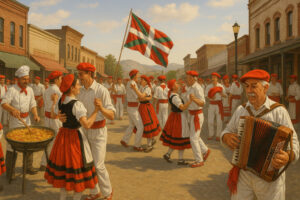
Basque Festivals in Northern Nevada
Elko, Winnemucca, and Gardnerville host Basque festivals each summer honoring sheepherding heritage. Participants wear red berets, share paella, and dance the jota to accordion music. The events celebrate immigrant identity and offer travelers a taste of European rural life adapted to the American West.
Pony Express Re-Ride
Every June, riders carry mail from Missouri to California using the original 1860 route. Nevada’s segment crosses lonely mountain passes, and locals gather at relay stations to cheer horse and rider. It’s a living commemoration of speed and endurance before telegraphs and planes.
Eureka Opera House Performances
Built in 1880, the Eureka Opera House still hosts folk concerts and historic plays. Annual performances combine period costumes with modern storytelling, proving small-town theaters can still stir audiences with local passion.
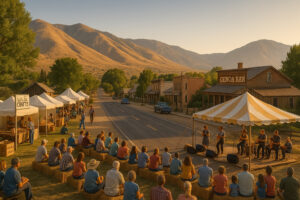
How These Festivals Shape Travel in Nevada
Community Economy and Sustainable Tourism
Festivals bring vital income to rural towns and fund preservation projects. Visitors spend on local lodging, crafts, and food — keeping heritage industries alive. Many events promote eco-friendly practices such as waste-free vendors and recycling stations. Choosing these festivals supports both culture and environment.
Traveler Connections
Attending heritage events creates relationships that outlast the trip. A visitor who shares a dance in Genoa or a meal in Elko feels woven into Nevada’s social fabric. This sense of belonging is why many return year after year.
Cultural Itineraries and Suggested Routes Through Nevada
Historic travel in Nevada is more than a checklist of towns — it’s a rhythm of open roads, frontier hotels, and friendly faces. To help travelers weave these experiences together, here are curated cultural routes that blend history, food, festivals, and scenery. Each one invites you to drive slowly, listen to local stories, and stay where the past still breathes.

Itinerary 1 – Northern Nevada Heritage Circuit (5 Days)
Day 1 – Reno and Carson City
Start your journey in Reno, the “Biggest Little City in the World.” Walk through the historic Riverwalk District and visit the Nevada Historical Society. Stop at the National Automobile Museum — home to more than 200 classic cars that trace the evolution of American travel.
Continue south to Carson City, Nevada’s capital since 1864. Explore the Nevada State Museum inside the former U.S. Mint and the State Capitol’s marble corridors. Overnight at the Carson Hot Springs Resort for a relaxing soak in natural mineral water. Use our no-BS guide to things to do in Reno to shape your first day.
Day 2 – Genoa and Gardnerville
Drive twenty minutes to Genoa, the state’s first permanent settlement. Visit Mormon Station State Historic Park, then step inside the Genoa Bar and Saloon, where presidents and poets have shared drinks. Stay at Genoa Station Inn or continue to Gardnerville to enjoy Basque cuisine — garlic soup, lamb stew, and red wine served family-style.
Day 3 – Virginia City
Follow the scenic route north to Virginia City, climbing roads once used by ore wagons. Spend the day touring the Fourth Ward School Museum and ride the vintage Virginia & Truckee Railroad. Sleep at the Gold Hill Hotel or in one of the town’s Victorian B&Bs. Evening ghost tours and lamplit saloons make the past feel near.
Day 4 – Austin and the Loneliest Road
Head east along U.S. 50, the Loneliest Road in America. The drive itself is an adventure — wide basins, ancient mountain ranges, and almost no traffic. Pause in Austin to photograph St. Augustine’s Church and the stone courthouse. Stay overnight in a local guesthouse and stargaze under skies so clear that the Milky Way glows like frost.
Day 5 – Eureka and Ely
Continue to Eureka, where the 1880 Opera House still hosts performances. Then reach Ely and ride the Nevada Northern Railway, a working steam train that whistles through history. Stay at the Hotel Nevada and Gambling Hall or nearby historic lodges. Travelers completing this circuit return west or continue south along U.S. 93.
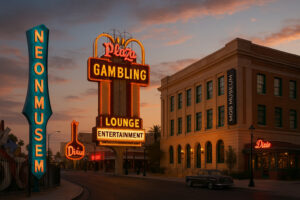
Itinerary 2 – The Southern Silver Loop (6 Days)
Day 1 – Las Vegas: Heritage Beneath the Neon
Begin where modern Nevada meets old glamour. Visit the Neon Museum to see restored casino signs, then explore the Mob Museum, housed in a 1933 courthouse. Lunch downtown at a retro diner before driving to Boulder City. Explore route options and photo stops in our Southern Nevada Crossroads road trip guide. Dive deeper into mid-century glamour with vintage casinos and Las Vegas history.
Day 2 – Boulder City and the Hoover Dam
Tour the Hoover Dam, a monument to 1930s engineering. Stay at the Boulder Dam Hotel, whose museum recounts the workers’ lives. Stroll leafy streets — unusual in the desert — and dine at local cafés that occupy restored Depression-era homes.
Day 3 – Searchlight and Eldorado Canyon
Follow Highway 95 south toward Searchlight, once a booming gold camp. Take a guided mine tour at Techatticup Mine in Eldorado Canyon. The drive offers ghost towns and photo stops among pastel cliffs. Continue to Laughlin or overnight in Henderson.
Day 4 – Tonopah’s Desert Legends
Head north toward Tonopah, pausing at Goldfield, another semi-ghost town rich with murals and antique shops. Stay at the Mizpah Hotel — marble, chandeliers, and the famous “Lady in Red.” Evening storytelling at the bar connects visitors to the town’s silver-rush heart.
Day 5 – Great Basin Sky
Drive to Baker and explore Great Basin National Park. Visit Lehman Caves and the bristlecone pine grove. Sleep in Ely again or camp beneath the oldest living trees on earth. The quiet redefines time itself.
Day 6 – Return via Extraterrestrial Highway
Follow State Route 375 — the Extraterrestrial Highway — past Rachel and Area 51’s mysterious perimeter. Stop for lunch at the Little A’Le’Inn, sign the visitor wall, and enjoy stargazing that rivals anywhere on the planet. The route ends back near Las Vegas.
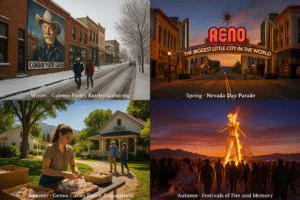
Itinerary 3 – Festivals and Living Traditions Trail (Year-Round)
Winter – Cowboy Poetry in Elko
Start the year at the Elko Cowboy Poetry Gathering. Attend readings, sample Basque food, and join a western-swing dance. Stay downtown where mural art brightens brick façades dusted with snow.
Spring – Nevada Day Parade and Reno Renaissance
Though statehood is in October, spring in Reno features the Earth Day Festival and historical walking tours. Visit the Reno Arch at dusk, then drive south to Carson City museums highlighting early industry.
Summer – Genoa Candy Dance Preparations
By June and July, volunteers begin crafting sweets for the September festival. Travelers can visit workshops, buy preview boxes, or hike the Carson Range before festivities begin.
Combine your trip with the Basque Festival in Gardnerville for a taste of immigrant history through food and dance.
Autumn – Festivals of Fire and Memory
August brings Burning Man to the Black Rock Desert — a temporary city devoted to art and imagination. September hosts the Candy Dance, October the Nevada Day Parade, and November the Ely Art Festival. Each month keeps heritage alive in a different key.
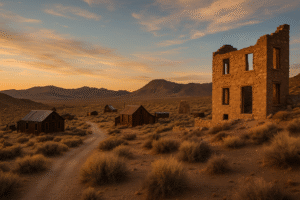
Itinerary 4 – Ghost Towns and Desert Legends Loop (4 Days)
Day 1 – Belmont and Manhattan
From Tonopah, drive to Belmont Courthouse Historic Park. Wander through stone ruins where wind sings through empty windows. Continue to Manhattan, another forgotten mining town surrounded by sagebrush plains.
Day 2 – Berlin–Ichthyosaur State Park
Head west to one of Nevada’s strangest combinations — a ghost town beside prehistoric fossils. The park preserves both 19th-century mining buildings and a massive ichthyosaur skeleton. Camp overnight to experience stars brighter than city neon.
Day 3 – Goldfield and Beatty
Explore Goldfield Hotel, reputedly haunted, then stroll among outdoor art installations created from recycled metal. Reach Beatty, gateway to Rhyolite Ghost Town, where concrete ruins glow pink at sunset.
Day 4 – Return via U.S. 95
Drive south toward Las Vegas, stopping at small-town diners along the way. The desert’s emptiness makes each conversation memorable — every resident seems part historian, part storyteller.
Itinerary 5 – Art, Architecture & Resorts of the Silver State (5 Days)
Day 1 – Reno Art Walks
Reno surprises visitors with its art scene. Explore the Midtown Mural Tour, where graffiti meets fine art. Stay at a restored 1930s motel like the Jesse Boutique Hotel, then dine at a converted warehouse brewery.
Day 2 – Carson City’s Cultural Core
Visit the Nevada State Museum and Stewart Indian School Cultural Center. Lunch in a heritage café serving local trout. Spend the afternoon exploring Victorian homes on Mountain Street before resting at Carson Hot Springs Resort.
Day 3 – Virginia City’s Architecture
Return to Virginia City to study preserved Italianate and Gothic Revival buildings. The St. Mary in the Mountains Cathedral and Fourth Ward School showcase 19th-century craftsmanship. Overnight again at the Gold Hill Hotel.
Day 4 – Ely Mural Trail and Art Bank
Drive east to Ely, where large-scale murals cover brick walls. Visit the Ely Art Bank and speak with local artists who restore heritage through paint.
Day 5 – Relaxation in Genoa
Finish in Genoa’s quiet charm. Attend a wine tasting, photograph the sunset, and reflect on how art and architecture keep Nevada’s soul visible.
Practical Travel Notes for Heritage Explorers
Best Seasons
Spring (April–June): Mild temperatures, blooming wildflowers, and festival season beginning.
Autumn (September–November): Crisp air, Candy Dance, and Nevada Day celebrations.
Winter (December–February): Snow adds beauty to mountain towns; indoor heritage sites remain open.
Recommended Passes and Maps
Obtain the Nevada Cultural Passport from visitor centers to collect stamps at museums and parks. The official Nevada Byways Map highlights historical markers along U.S. 50, 395, and 93.
Responsible Travel
Support locally owned inns and artisans. Avoid collecting artifacts from ghost towns, and leave sites as you found them. Heritage tourism depends on respect as much as curiosity.

Bringing It All Together
These itineraries connect everything that defines Nevada — endurance, creativity, and community. Whether you follow the Loneliest Road, dance in Genoa, or rest beneath desert stars, each stop reveals another layer of the Silver State’s spirit.
Travel slowly, listen often, and you’ll find that Nevada’s greatest landmarks are not its buildings or highways but its stories — still told, still shared, still alive. If Nevada inspires a bigger loop, bookmark our scenic USA road trips for every season.

You said:
ChatGPT said:
Virginia City, Ely, Austin, and Genoa top the list. Each offers preserved architecture and stories from Nevada’s pioneer era. Virginia City still feels like an open-air museum of the Comstock Lode, while Genoa shows the state’s first settlement roots. Ely’s railroad district and Austin’s mountain ruins add contrast between industrial growth and ghost-town quiet.
The Mizpah Hotel in Tonopah, the Gold Hill Hotel near Virginia City, and the Boulder Dam Hotel in Boulder City are icons of Nevada hospitality. Each blends period style with modern comfort. Guests can enjoy antique furnishings, local stories, and architecture that has survived for over a century.
U.S. Route 50 — known as The Loneliest Road in America — is ideal for history seekers. It links old mining towns, mountain passes, and historic inns. Travelers collect “survival stamps” in each town and visit landmarks like Eureka’s Opera House and Austin’s stone church.
Yes. January brings the Elko Cowboy Poetry Gathering; spring offers Basque festivals in Gardnerville and Winnemucca; summer hosts Hot August Nights in Reno and the Ely Art Festival; autumn features the Genoa Candy Dance and Nevada Day Parade. Each celebration honors a different chapter of Nevada’s past.
Visit the Stewart Indian School Cultural Center in Carson City and Grimes Point Archaeological Area near Fallon. These sites preserve artifacts and stories of the Washoe, Paiute, and Shoshone peoples, whose cultures predate the silver rush by centuries.
Belmont, Rhyolite, and Berlin (State Park) offer preserved buildings with visitor information and safe walking areas. Always wear sturdy shoes, avoid entering unstable structures, and respect private property. Morning light provides the best photography.
Stay at the Carson Hot Springs Resort or Steamboat Hot Springs near Reno. These locations blend natural thermal waters with historic settings. Pair a day of museum visits with evening relaxation to balance mind and body.
Spring and autumn are ideal. Weather is mild, roads are clear, and festivals are active. Summer suits high-elevation towns like Ely and Austin, while winter adds a magical quiet to Carson Valley and Virginia City’s holiday events.
Some claim so. The Mizpah’s “Lady in Red,” the Goldfield Hotel’s mysterious lights, and Ely’s Overland Hotel attract ghost hunters. Even skeptics enjoy the stories and the old-world atmosphere these legends create.
Choose locally owned lodging, reusable water bottles, and slow travel. Many Nevada towns recycle visitor fees into restoration projects. Respect wildlife, stay on marked trails, and avoid collecting souvenirs from archaeological areas.
Absolutely. Many museums offer interactive exhibits for kids — the Nevada State Railroad Museum and Ely’s Renaissance Village are favorites. Family-friendly resorts like Grand View Lodge and Hotel Nevada provide comfort plus education.
Yes, in its own modern way. Burning Man reflects Nevada’s tradition of self-expression and community in harsh landscapes. It adds a contemporary chapter to the state’s legacy of creativity and frontier innovation.
Yes. The Lincoln Highway and State Route 375 (Extraterrestrial Highway) are historic in their own right. Highway 395 through Carson Valley connects farms, Basque heritage sites, and Victorian architecture beneath the Sierra Nevada.
Key stops include the Nevada State Museum (Carson City), the Nevada Northern Railway Museum (Ely), the National Automobile Museum (Reno), and the Boulder City–Hoover Dam Museum. Each presents a different facet of the state’s past.
Ely’s Art Festival, Virginia City’s Victorian Christmas, and Reno’s Hot August Nights blend creative arts with heritage themes. Visitors see how modern artists reinterpret Nevada’s stories through murals, music, and design.
Most state museums and major hotels offer accessible entrances and facilities. Outdoor historic parks may have uneven terrain, but ranger stations provide assistance and maps indicating wheelchair-friendly paths.
Events generate revenue for historic preservation, fund arts programs, and attract volunteers. Buying local crafts or staying in heritage inns directly supports families who keep these traditions alive.
Yes. Many historic sites border state parks or scenic byways. Visitors can tour ghost towns in the morning and hike in Great Basin National Park by afternoon. Heritage and nature are inseparable in Nevada’s landscape.
Nevada combines frontier grit with unexpected elegance. Its ghost towns stand under star-filled skies, its festivals blend cowboy poetry with modern art, and its historic hotels offer both comfort and story. No other state mixes wildness and culture so seamlessly.