Charleston, South Carolina, is one of the most historically rich cities in the United States. From its colonial past to its role in the Civil War and the preservation of African American history, Charleston is a living museum. While landmarks like Rainbow Row and The Battery attract large crowds, many historical sites in Charleston SC remain hidden. These lesser-known places offer a more authentic and intimate experience of Charleston’s past.
If you’re a history lover and wish to step away from the tourist trail, this guide will introduce you to the best-hidden historical sites in Charleston SC.
Why Charleston SC is a History Lover’s Dream
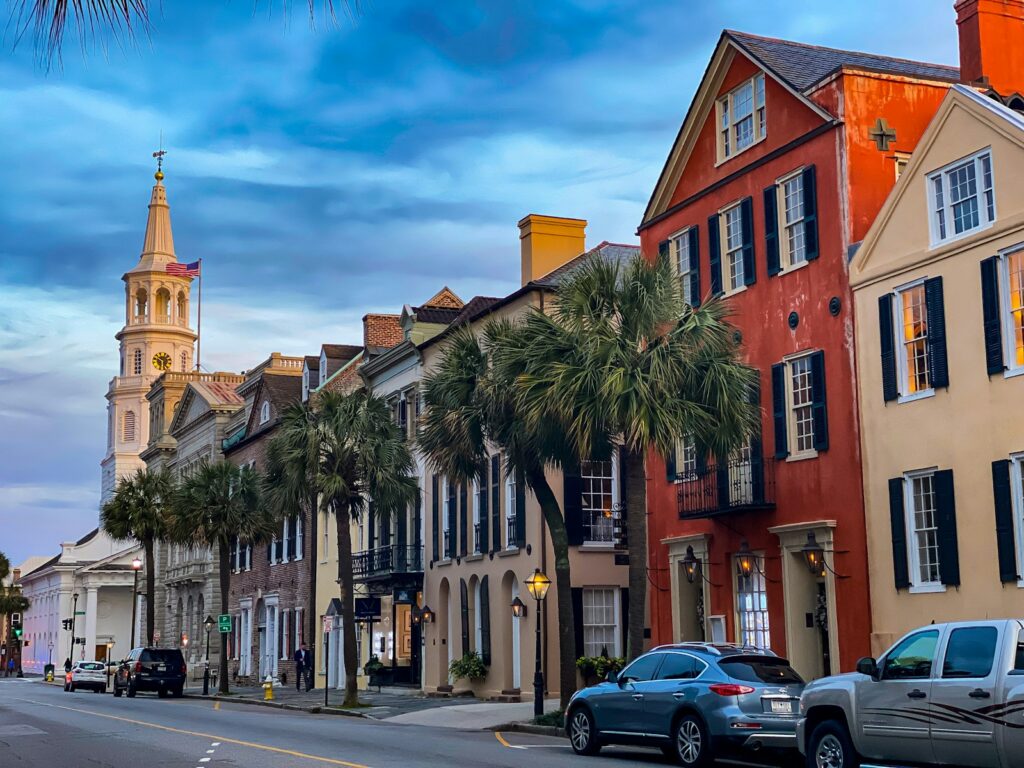
Charleston’s history spans over 350 years, starting in 1670, making it one of the oldest cities in the United States. Charleston has played a pivotal role in several major historical events:
- Colonial Era: One of the first British settlements in the Southern colonies.
- The American Revolution: A significant battleground for independence.
- The Civil War: The place where the war officially began at Fort Sumter.
- Gullah-Geechee Culture: Preserving the unique culture of African Americans in the Lowcountry.
Charleston offers far more than the famous historical sites that attract tourists. Hidden treasures are scattered across the city, offering a deeper look into Charleston’s fascinating past. These hidden historical sites in Charleston SC provide visitors with an authentic, enriching experience of the city’s history.
Hidden Historic Sites in Charleston: Discover the City’s Best-Kept Secrets
The Powder Magazine – The Oldest Public Building in the Carolinas
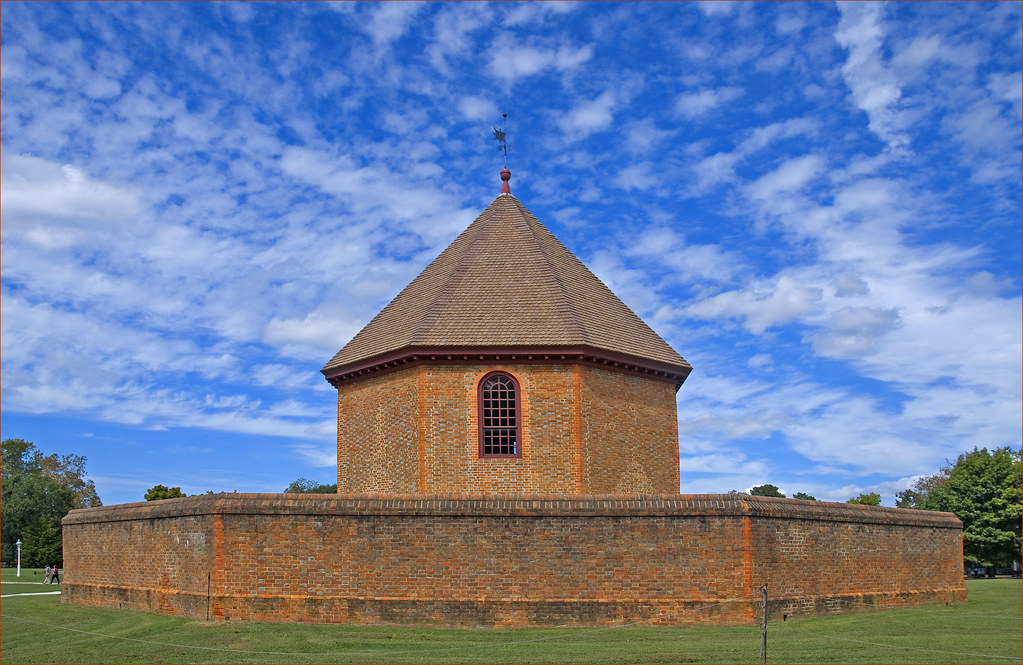
Built in 1713, the Powder Magazine is the oldest public building in South Carolina. It stored gunpowder for Charleston’s defense and played an important role in the city’s colonial and Revolutionary War history.
What makes it a historical gem:
- The Powder Magazine is remarkably well-preserved and houses artifacts from Charleston’s military past.
- Visitors can explore the architecture and learn about its role during the American Revolution.
What to see:
- Original colonial architecture with blast-resistant walls.
- Exhibits on Charleston’s military history and the Revolutionary War.
Ultimate Guide to Bethel Ridge Outdoor Activities: Explore Trails, Camping, and More
The Heyward-Washington House – A Revolutionary War-Era Home
The Heyward-Washington House ties Charleston directly to Thomas Heyward Jr., one of the signers of the Declaration of Independence. This house offers a rich historical perspective on Charleston during the American Revolution.
Why it’s significant:
- George Washington stayed here in 1791.
- It features a 1740s kitchen house, one of the few remaining buildings of its kind.
https://secretamericatravel.com/hidden-historic-trails-in-missouri/What to explore:
- Original 18th-century furniture from the Heyward family.
- The secret garden, providing a peaceful retreat.
The Heyward-Washington House map
Hidden Historic Trails in Missouri
Historical Sites in Charleston SC: Civil War and Enslavement History
Old Exchange & Provost Dungeon – Charleston’s Secret Underground Jail
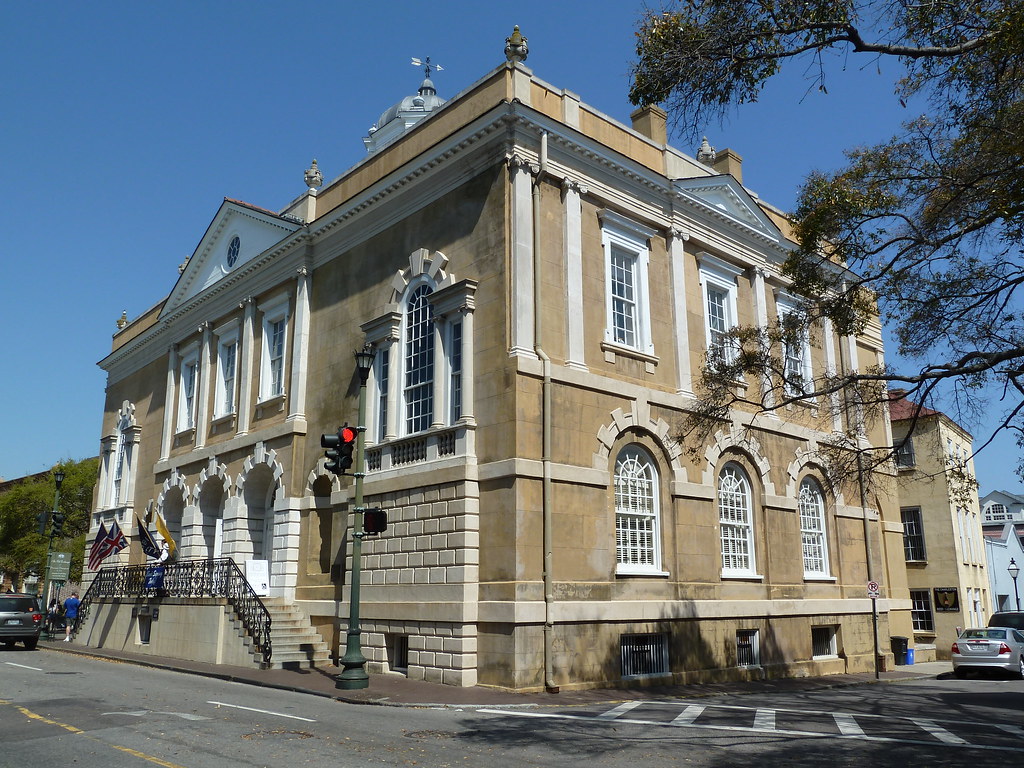
The Old Exchange & Provost Dungeon remains one of Charleston’s most fascinating yet overlooked historical sites. It served as a prison during the American Revolution and was used to hold Patriot prisoners.
What makes this site unique:
- It was used to imprison pirates like Blackbeard.
- The dungeon features underground tunnels and offers a chilling insight into Charleston’s pirate history and Revolutionary War significance.
Must-see:
- The self-guided tour of the colonial trading hall upstairs.
- A guided tour of the dungeon, which features exhibits on Charleston’s pirate history and the Revolution.
Old Exchange & Provost Dungeon map
Evergreen Plantation in Wallace, Louisiana: A Step Back in Time
Fort Lamar Heritage Preserve – A Forgotten Civil War Battlefield
While Fort Sumter gets much of the attention, Fort Lamar Heritage Preserve offers a more intimate look at Charleston’s Civil War history. It is the site of the Battle of Secessionville, a key Confederate victory.
Why it’s worth visiting:
- The earthwork fortifications and remnants of the Civil War battle are still visible.
- The site sees fewer visitors, providing a peaceful experience.
Best time to visit:
- Spring and Fall for pleasant walking weather.
- Early mornings or late afternoons for quiet reflection and great lighting for photos.
Fort Lamar Heritage Preserve map

McLeod Plantation offers a more honest portrayal of the lives of enslaved people. Unlike other plantations, McLeod focuses on Gullah-Geechee culture and the lives of enslaved people in Charleston.
What makes McLeod Plantation stand out:
- The plantation preserves slave cabins, allowing visitors to witness life in the Gullah-Geechee community.
- Educational tours focus on the Gullah-Geechee heritage.
What to see:
- The slave quarters, telling the stories of the people who lived there.
- The ancient oak trees, some of which are over 300 years old.
Historical Sites in Boston, Massachusetts: Exploring the Rich Heritage of America’s Cradle
The Unitarian Church Graveyard – A Hauntingly Peaceful Cemetery
The Unitarian Church Graveyard is a serene and hauntingly beautiful spot in Charleston. It is intentionally left overgrown, creating an eerie atmosphere filled with ghost stories.
- Why it’s unique:
- It inspired Edgar Allan Poe’s Annabel Lee.
- It holds some of Charleston’s oldest graves, dating back to the 1700s.
St. Michael’s Church – The Oldest Surviving Church in Charleston

Built in 1751, St. Michael’s Church is Charleston’s oldest surviving religious building. It is home to an underground crypt, where prominent historical figures are buried.
- What to see:
- The 1760s pipe organ, still in use today.
- The original pews where George Washington worshipped.
Charleston is a city full of well-known landmarks, but its hidden historical sites offer an even richer, deeper story. These off-the-beaten-path gems give you an authentic and personal experience of the city’s history. If you want to truly understand Charleston’s past, these historical sites in Charleston SC should be at the top of your list.
Official Charleston Visitors Bureau
Charleston has over 350 years of history, dating back to 1670. It played key roles during the Colonial era, the American Revolution, and the Civil War. The city also preserves Gullah-Geechee culture, making it one of the most historically layered places in the United States.
Yes. Many of Charleston’s lesser-known sites are within a short walk or drive from the historic district. Most are open to the public, affordable, and far less crowded than well-known attractions.
Hidden sites provide quieter surroundings, more authentic storytelling, and a deeper look into Charleston’s complex past. They often preserve original architecture, untouched landscapes, and raw historical narratives not found at the major tourist spots.
Colonial & Revolutionary War Sites
The Powder Magazine is the oldest public building in the Carolinas. Built in 1713, it stored gunpowder for the militia and played a crucial role in Charleston’s defense during the Colonial and Revolutionary War periods.
Yes. The house is linked to Thomas Heyward Jr., a signer of the Declaration of Independence, and once hosted George Washington during his 1791 Southern tour. It also features one of Charleston’s last remaining 18th-century kitchen houses.
Usually, yes. These historic homes and structures attract history lovers rather than large tour groups, making them ideal for a slower, more intimate visit.
Civil War and Enslavement History
It served as a prison, a trading hall, and a Revolutionary War jail. The underground dungeon still contains eerie tunnels and exhibits that highlight Charleston’s pirate and military history.
Absolutely. Fort Lamar offers a quieter, more reflective battlefield experience. You can walk through preserved earthworks from the Battle of Secessionville without the crowds found at Fort Sumter.
Yes. Places like McLeod Plantation focus on the lives of enslaved people and Gullah-Geechee heritage, offering an honest and educational perspective on Charleston’s past.
Plantations, Gullah-Geechee Culture & Local Heritage
McLeod highlights the experiences of enslaved people rather than focusing on house tours or gardens. Its preserved slave cabins and heritage-focused tours offer a respectful and eye-opening look into Gullah-Geechee culture.
Yes. Many families continue to preserve their language, traditions, cuisine, and craftsmanship. Visiting sites that honor this heritage helps protect the culture for future generations.
McLeod Plantation is often preferred by travelers who want accurate and meaningful storytelling rather than romanticized plantation narratives.
Yes. Known for its overgrown, atmospheric appearance, the graveyard is free to enter and offers a peaceful, haunting walk through Charleston’s past.
Local lore suggests that the cemetery inspired parts of Poe’s poem Annabel Lee. While not confirmed, the atmosphere and setting make the connection easy to imagine.
Built in 1751, it is Charleston’s oldest surviving church. It houses a working 1760s pipe organ, original pews, and a crypt containing prominent historical figures.
Planning Your Visit
Most travelers spend two to three days visiting these sites. This allows time to explore neighborhoods, graveyards, plantations, and preserved buildings at a relaxed pace.
Some sites—like McLeod Plantation, the Heyward-Washington House, and the Old Exchange—require tickets. Others, such as outdoor preserves and churches, are freely accessible.
Yes. Many of the city’s secret historic gems are located within or near the historic district, making them easy to explore on foot.