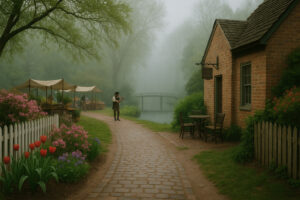
Most visitors picture Williamsburg as powdered wigs and horse-drawn carriages, yet just beyond the tourist lanes lies another world — a living, breathing town full of small gardens, coffee-shop artists, quiet rivers, and local stories whispered rather than advertised. Here, you’ll find hidden gems in Williamsburg, VA that offer a different perspective on this historic place.
I discovered this Williamsburg by accident. One misty April morning, after touring the Governor’s Palace, I followed the sound of fiddle music to a hidden courtyard where vendors sold heirloom tomatoes and lavender honey. That simple detour changed everything. Since then, I’ve spent years exploring corners most travelers miss.
This guide gathers those discoveries: neighborhoods where locals stroll after work, nature trails that slip into marshland silence, and family-run eateries where recipes stretch back generations.
South Williamsburg – History in Slow Motion
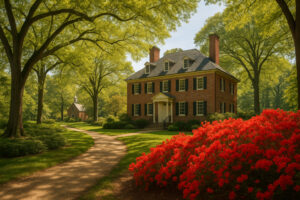
South Williamsburg feels like time slowed down. The crowds thin, trees arch over brick lanes, and church bells mark the hour instead of tour groups.
Bassett Hall
Once home to John D. Rockefeller Jr. and Abby Aldrich Rockefeller, this 18-acre estate sits just beyond the Colonial Williamsburg boundary. In spring, azaleas blaze crimson around the Georgian façade. I like to wander the shaded paths where the Rockefellers picnicked while restoring the city in the 1930s.
Explore Bassett Hall on Google Maps
Custis Square Excavations
Near Francis Street East, archaeologists from William & Mary are uncovering the 18th-century landscape of John Custis IV — a horticulturalist known for rare and unusual plants and complicated politics. Visitors can stand by the fence and watch trowels scrape through centuries of soil.
Explore Custis Square Excavations on Google Maps
Local Reflection #1
One morning I sat on a weathered bench near Bassett Hall. Magnolia petals drifted across the path while distant fife music floated from Duke of Gloucester Street. It struck me that Williamsburg’s beauty isn’t only in its preserved buildings but in its pauses — the spaces where you can still hear birds over footsteps.
York River State Park – Virginia’s Quiet Wilderness
Only 15 minutes north via Rochambeau Drive, York River State Park protects 2 500 acres of forest and tidal marsh. Locals call it their “backyard bayou.”
Trails to Try
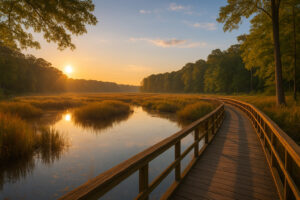
Taskinas Creek Trail – Boardwalks through wetlands; watch for ospreys and bald eagles.
Mattaponi Trail – Gentle 5-mile loop with views over the York River estuary.
John Blair Trail – Named after a signer of the Constitution; a peaceful bike route under tulip poplars.
Bring a kayak or rent one at the visitor center. Paddling Taskinas Creek at sunrise feels like floating through liquid amber. Crabs scuttle sideways beneath the surface; herons glide past without sound.
Practical Notes
Entrance fee $5 per vehicle. Restrooms and picnic tables available. Cell service is spotty — download maps before you go. Spring and autumn offer mild temperatures and fewer bugs. To experience them fully, plan a night or two using our Williamsburg Bed-and-Breakfast Guide.
Freedom Park and the Williamsburg Botanical Garden
Drive north on Centerville Road to Freedom Park, a historic site turned eco-haven. In the 1600s it was one of Virginia’s earliest free Black settlements; today its trails wind through pine forest and wildflower meadows.
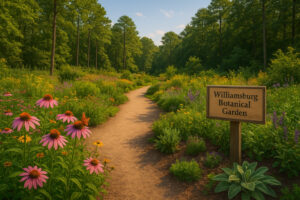
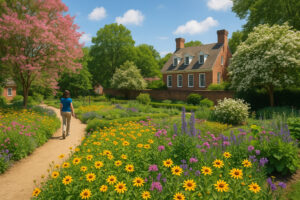
At the heart lies the Williamsburg Botanical Garden, two acres of native plants maintained by volunteers. Butterflies hover over coneflowers, and signs label species you can grow at home.
Kids love the sensory garden where they can touch lamb’s ear leaves or smell mint varieties. The garden is free and open year-round, a true hidden retreat for photographers and birdwatchers.
A short walk away stands the Free Black Settlement Exhibit, a cluster of reconstructed cabins interpreting life before the Revolution. Few visitors realize this corner holds stories as vital as those on DoG Street.
Howl-o-scream(which you get to experience with a normal ticket) had a fun atmosphere, walking around the park at nigh…
Explore Williamsburg Botanical Garden on Google Maps
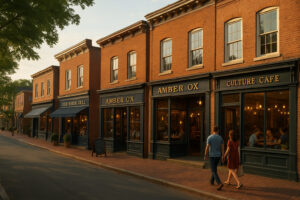
Local Flavor and Neighborhood Haunts
Beyond colonial fare and theme-park cafés, Williamsburg’s modern culinary scene thrives in small spaces. Many of these tucked-away cafés and vineyards appear in our Wineries, Breweries & Farm-to-Table Dining Guide.
Blue Heron Grill – On Jamestown Road, chefs craft seasonal menus with locally foraged ingredients. Their wild mushroom pasta and Virginia wine pairings are exceptional.
Amber Ox Public House – Part brewery, part community hub; try the bison burger and house-made pretzels.
Culture Café – Global flavors meet Virginia produce. Menu changes weekly; ask about the chef’s “around-the-world” tasting flight.
Tips for Food Explorers
Visit weekday afternoons for short waits.
Ask servers for local beer recommendations — you’ll often learn about new microbreweries not yet on maps.
Pair dinner with a walk through Merchants Square after dark; string lights and buskers give it European charm.
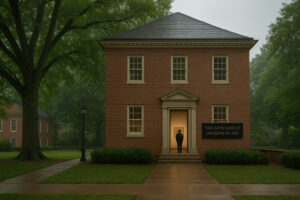
Inside William & Mary’s campus, the Muscarelle Museum holds masterworks that many tourists walk past unknowingly. Within its modest brick building hang pieces by Rembrandt, Picasso, and Whistler, alongside rotating student and faculty exhibitions.
Exhibits blend academic depth with accessibility. When I visited during a summer storm, the gallery was empty except for a guard and me. Standing alone before a 17th-century etching, I heard the soft drum of rain on the roof and felt grateful for quiet beauty shared by so few.
Admission: Free for students and modest for visitors. Closed Mondays. Photography allowed without flash.
The Muscarelle Museum is on the William & Mary campus.
Explore The Muscarelle Museum of Art on Google Maps
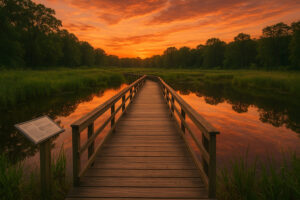
Nature Walks and Boardwalks Near Town
If you want fresh air without a long drive, Greensprings Interpretive Trail offers a 2.5-mile loop through wetlands and hardwood forest. Elevated boardwalks cross marshes alive with frogs and dragonflies.
Interpretive signs tie each ecosystem to colonial-era land use. The trail sits on former plantation ground, reminding hikers that Virginia’s natural and human histories are inseparable.
At sunset, the water mirrors burnt orange sky and silhouetted trees — a photographer’s dream.
Directions: Park behind Jamestown High School; trailhead well-marked. Open dawn to dusk.
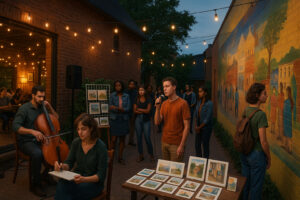
Art Corners and Creative Spaces the Crowds Miss
Williamsburg’s artistic energy hums quietly between lecture halls and coffee mugs. Many travelers never realize that beyond the colonial sets, a full creative community thrives.
Aromas Art Nights
Every second Thursday, Aromas Coffeehouse turns into an open-mic studio lit by string lights and espresso steam. Students recite poems, painters sell watercolors, and the baristas double as musicians. I once watched a William & Mary cellist play Bach while a painter sketched each note in ink — a moment that summed up Williamsburg’s soul: tradition and experimentation sharing a cup.
Blue Talon Alley Murals
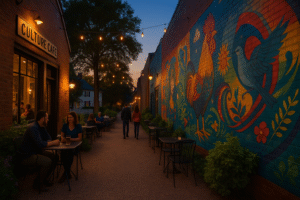
Slip behind Blue Talon Bistro on Prince George Street to find murals locals call “the timeline.” Panels trace the city from Native woodlands to college town. The paint fades a bit each summer, yet someone always touches it up before the fall semester — a ritual of renewal.
The Gallery at William & Mary
Inside the Sadler Center, students curate small rotating shows on identity, climate, and memory. Admission is free, and it feels like stepping into the next generation of Virginia artists.
These spaces may be tiny, but they reveal a truth: creativity didn’t end with the 18th century here — it just changed instruments.
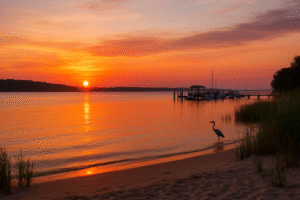
Riverside Escapes and Secret Sunsets
Water defines the Tidewater region, and the quiet shores around Williamsburg offer solitude within minutes.
College Creek Beach
Down Jamestown Road, a narrow turnoff leads to a small sand beach locals love. Currents can be strong, so it’s more for watching than swimming, but the sunsets are pure gold. Pack a picnic and watch the sky mirror in the river.
Jamestown Marina Boardwalk
A short walk from the ferry dock, this boardwalk winds between boats and reeds. Fishermen chat softly; a heron waits for its dinner. Few tourists venture past the parking lot.
Free Jamestown-Scotland Ferry
Locals ride it just for the view. The 20-minute crossing gives panoramas of the James River and Colonial Parkway. At sunset, the deck fills with students taking photos of the sky on fire. It’s also a nice segue if you’re following the route from your Historic Triangle Itinerary article.
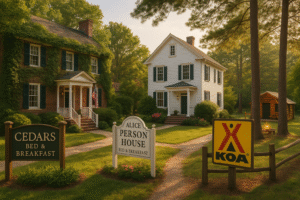
Unique Lodging That Feels Local
Forget chain hotels — Williamsburg’s inns and cottages offer quiet character and friendly hosts.
Cedars of Williamsburg
A brick Georgian home draped in ivy, run by a family who serve fresh-baked muffins on the porch. Rooms have fireplaces and bookshelves stuffed with Virginia history.
Alice Person House
Steps from downtown, this bed-and-breakfast mixes antique four-poster beds with modern comforts. The hosts love to chat about hidden restaurants and free events.
Budget Find
The Williamsburg KOA offers cabins and tent sites under tall pines. Evenings bring campfires and crickets instead of traffic. If you’re traveling with kids, it’s a gentle way to introduce them to Virginia woods.
Tip for Couples: Ask about weekday rates — many inns offer two-night discounts that aren’t listed online.
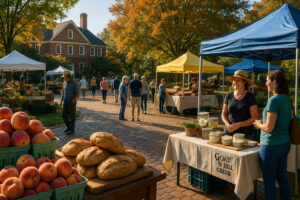
Saturday mornings belong to the Williamsburg Farmers Market, but few stay past noon when the crowds thin and musicians linger. Vendors pack peaches with sun still on their skins; bread smells of rosemary and yeast. Try Goat Hill Cheese’s garlic spread — a local secret.
A mile away, Whitley’s Peanut Factory Outlet sells hand-roasted Virginia peanuts and chocolate-coated clusters. Bring a bag for snacking during your Colonial Parkway Scenic Drive.
In autumn, pop-up markets at Toano feature apple cider and crafts from folk artists. Locals say the Toano Pumpkin Festival marks the real start of fall — not Labor Day.
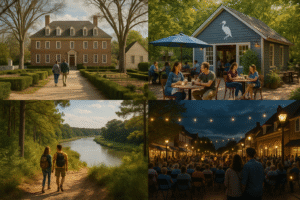
Weekend Itineraries for Explorers
Day 1 – Quiet History
Morning: Stroll through Bassett Hall and Custis Square.
Lunch: Blue Heron Grill.
Afternoon: Explore Muscarelle Museum.
Evening: Dinner at Culture Café; walk Merchants Square under lamps.
Day 2 – Nature and Water
Morning: Drive to York River State Park and hike Taskinas Creek Trail.
Lunch: Picnic at Freedom Park’s meadow.
Afternoon: Visit Williamsburg Botanical Garden.
Evening: Ferry ride across the James for sunset.
Day 3 – Community and Art
Morning: Coffee at Aromas Art Market.
Late morning: Tour murals behind Blue Talon.
Lunch: Amber Ox Public House.
Afternoon: Shop local crafts on Prince George Street.
Evening: Outdoor concert in Merchants Square.
Each day balances culture with quiet — the way locals live.
Personal Reflection #2 – Moments Between Centuries
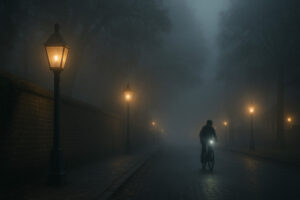
One evening in late October, fog rolled over the Colonial Parkway as I drove back from York River State Park. When I reached Francis Street, the lamps of Colonial Williamsburg glowed through the mist, casting ghostly halos around brick walls. A student passed by on a bicycle, and for an instant the centuries blurred — a colonial lantern and LED headlight sharing the same night.
That’s the magic of hidden Williamsburg. It reminds you that history is not a museum behind glass — it’s a street you can still walk today, quietly, with the sound of your own steps joining those who walked before.
Practical Travel Tips for Exploring Like a Local
Getting Around
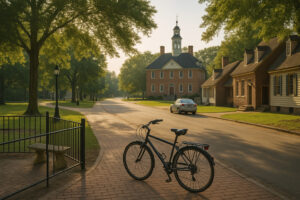
Downtown Williamsburg is walkable, but to reach the hidden parks and rivers, rent a bike or car. The free Colonial Williamsburg shuttle connects major attractions, while the WATA buses reach York River State Park and Jamestown Settlement inexpensively.
Parking Secrets
Free two-hour street parking near South Henry Street before 10 a.m.
Freedom Park and York River State Park offer shaded lots that fill by noon.
If visiting multiple sites, the Historic Triangle Pass includes parking access at each stop.
Timing and Crowds
Arrive early or linger late. From 7 – 9 a.m., the colonial streets glow in soft light with almost no visitors. After 5 p.m., locals reclaim Merchants Square — perfect for relaxed dinners.
Packing List
Comfortable shoes, refillable bottle, bug spray (for marsh trails), light rain jacket, and a small backpack for market goods.
Sustainable Travel Tip
Refill water at Colonial Williamsburg fountains and avoid disposable plastics. Many cafés, like Aromas, offer discounts for reusable cups.
Day 1 – Secret History & Local Flavors
Morning: Walk Bassett Hall gardens → Visit Custis Square excavation.
Lunch: Blue Heron Grill (Jamestown Road).
Afternoon: Muscarelle Museum of Art + William & Mary campus.
Evening: Dinner at Culture Café + stroll through Blue Talon Alley murals.
Day 2 – Nature & Riverside Calm
Morning: Drive to York River State Park; hike Taskinas Creek Trail.
Lunch: Picnic at Freedom Park’s meadow.
Afternoon: Explore Williamsburg Botanical Garden + Free Black Settlement cabins.
Evening: Jamestown-Scotland Ferry ride at sunset.
Day 3 – Community & Creativity
Morning: Coffee and open-mic at Aromas Art Morning.
Midday: Shop local crafts on Prince George Street.
Afternoon: Visit Whitley’s Peanut Factory Outlet + Toano craft market.
Evening: Dinner at Amber Ox; catch a free concert in Merchants Square.
Each day balances quiet spaces with local interaction — the real rhythm of Williamsburg.
Seasonal Highlights & Festivals
Spring (March – May)
Freedom Park’s wildflowers peak in April.
The Historic Garden Week tours open private estates.
Jamestown Settlement hosts “Military Through the Ages.”
Summer (June – August)
Farmers markets overflow with peaches and berries.
Outdoor concerts every Saturday at Merchants Square.
Locals kayak at sunrise to avoid heat.
Fall (September – November)
Toano Pumpkin Festival and Art on the Square.
York River State Park’s maples turn amber; best photography season.
Winter (December – February)
Grand Illumination in Colonial Williamsburg turns the city into a lantern sea.
Cafés serve hot mulled cider; parks are quiet for reflection.
Community and Sustainability Stories
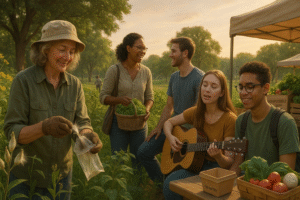
Williamsburg’s hidden strength is its people — artists, gardeners, and students who treat history as a living project.
At the Botanical Garden, volunteers collect milkweed seed for monarch habitats. At Aromas, student musicians raise funds for campus eco-initiatives. Farmers market vendors reduce waste with compostable packaging.
Talking to them changes how you travel: you stop taking pictures and start listening. They’ll tell you which trail blooms first in spring or where to watch fireflies over Freedom Park.
Final Reflection – The Williamsburg Few Discover
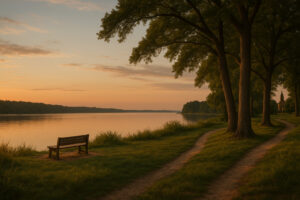
After a week among these quiet corners, I understood that Williamsburg is not a recreation of the past — it’s a continuing conversation between centuries. You feel it on the York River bluff at dusk and hear it in the echo of a student violin beneath campus oaks.
When I look back on all my travels through Virginia, the moments I remember most are not grand buildings but small ones: a volunteer kneeling to plant butterfly weed, a barista recommending a trail, a child catching fireflies while church bells mark eight o’clock.
Hidden gems aren’t just places — they’re feelings of connection you carry home. To plan your complete trip — from hidden alleys to historic inns — explore our main Williamsburg, Virginia Travel Guide. And if you love quiet corners, don’t miss the rivers and trails featured in Nature Escapes Around Williamsburg.
Drive or bike — many are outside the historic center and accessible via the Colonial Parkway.
Most parks and gardens are free; state parks charge a small parking fee ($5).
Yes, leashed pets are welcome on most trails.
Yes, it’s self-guided with interpretive signs and maps at the entrance.
York River State Park, Freedom Park, and Jamestown Marina have facilities; smaller trails do not.
Late April through May in Freedom Park and the Botanical Garden.
Absolutely — they connect perfectly with your existing Jamestown Settlement and Colonial Parkway routes.
Eco Discovery tours at York River State Park and volunteer walks at the Botanical Garden run monthly.
Check the Visit Williamsburg app or community boards at Aromas and Amber Ox.
Comfortable walking shoes, bug repellent, camera, refillable water bottle, and a light rain jacket.