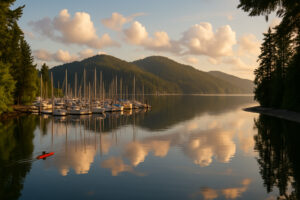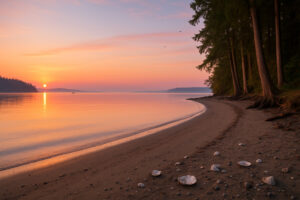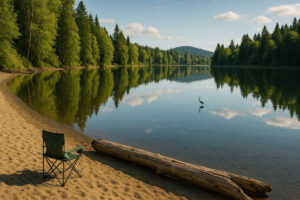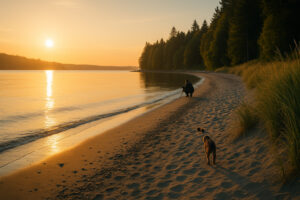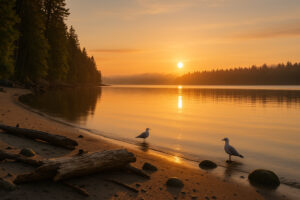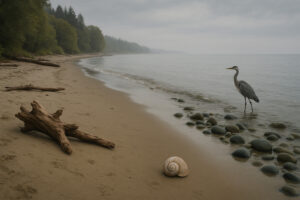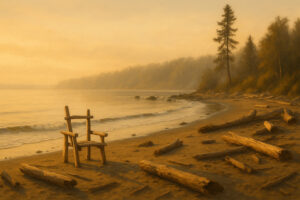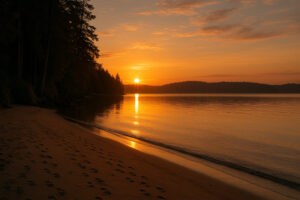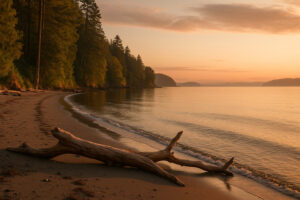
Imagine standing on a stretch of sand so quiet that you can hear the rhythm of the tide brushing against driftwood. No crowds, no beach umbrellas—just the whisper of the forest meeting the sea. That’s what you find around Port Ludlow, where hidden beaches await discovery, a place where Washington’s coastline still feels wild and personal.
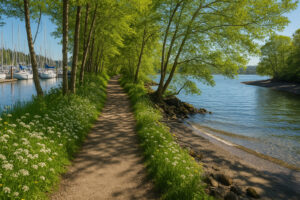
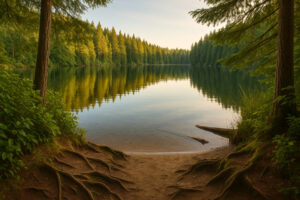
I remember the first time I wandered down a narrow path that led to the water’s edge. The air smelled of pine and salt, and I half expected to see a deer drinking where the tide touched the moss. Unlike most Washington beaches, these aren’t wide public playgrounds—they’re pockets of serenity hidden between coves and cliffs. You stumble upon them the way you discover a secret worth keeping.
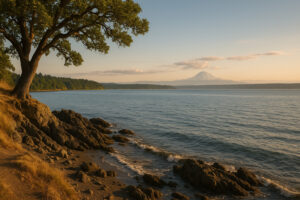
Most travelers come here for sailing or the marina views, but those who explore a little farther find another side of the Olympic Peninsula: beaches tucked behind forest trails, tiny sandbars revealed only at low tide, and rocky shores that glow pink in the evening light. This article is my field guide to those places—the quiet corners where the land exhales and the water listens.
Discovering Port Ludlow’s Secret Coastline
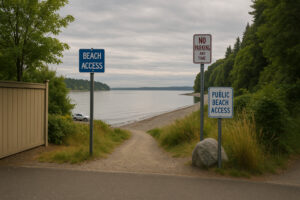
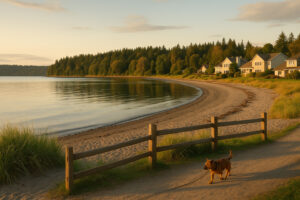
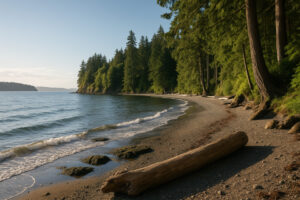
The shoreline around Port Ludlow is a labyrinth of small bays, inlets, and forest-framed bluffs. Some beaches appear on no official sign; you find them by following the sound of waves through evergreens. Locals protect these places gently—they’ll tell you how to reach them but ask that you leave them exactly as you found them.
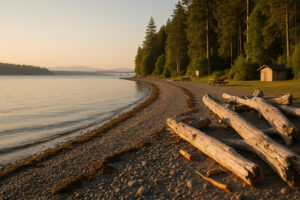
What makes these beaches different is the intimacy. Each one feels like its own world: a handful of tidepools glimmering under the afternoon sun, a driftwood log perfectly shaped for sitting, the scent of cedar mixing with sea spray. Even on summer weekends, you can walk a full mile without seeing another person.
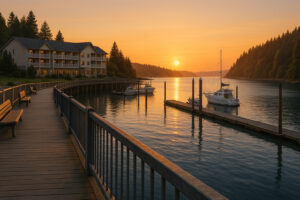
The Resort at Port Ludlow is a fantastic place to use as a base to explore the Peninsula or to have a fomantic getaway where you can re-explore your friendships or relationships.
See more reviews on Tripadvisor
Port Ludlow sits at the meeting point of Hood Canal and the Olympic Peninsula’s lower forests, so every direction leads to water. To the east lie calm, sheltered coves; to the west, rugged stretches facing the open canal. The tides transform them constantly—one morning you might find a ribbon of sand, and the next day it’s gone beneath silver waves.
When I talk with longtime residents, they all have a favorite spot: a hidden path behind Ludlow Bay, a secret overlook near Shine Tidelands, a stretch of pebbles known only to those who launch kayaks at dawn. Over the next sections, I’ll take you to each of these quiet shores and show you what makes them special.
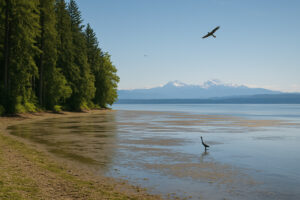
Shine Tidelands State Park – Where Forest Meets Tide
If you drive about fifteen minutes south of Port Ludlow, a small sign by the highway points toward Shine Tidelands State Park. Most people pass it without noticing, but that’s exactly why it feels so special. The road slips through cedar woods before opening onto a flat stretch of shoreline that looks out across Hood Canal to the mountains beyond.
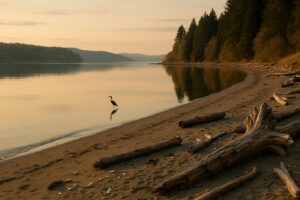
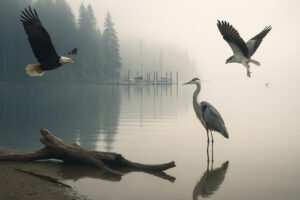
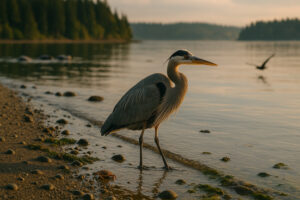
The first time I arrived, the tide was just turning. Mudflats shimmered in the sunlight, herons stalked quietly through the shallows, and an osprey circled overhead. There were no crowds—just the faint scent of seaweed and the rhythmic clicking of shells as tiny crabs retreated into the sand.
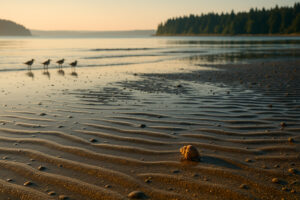
Shine Tidelands isn’t dramatic or crowded like some Washington beaches. It’s subtle—more a place for reflection than spectacle. When the water is low, the beach extends nearly half a mile, forming sandbars that feel like stepping stones to the horizon. When the tide returns, the entire landscape transforms into a mirror of the sky.
Stopped off here on our way north for a little playtime on the beach. Very clean beach and very healthy (sealife-wise) too.
See more reviews on Tripadvisor
Explore Shine Tidelands State Park on Google Maps
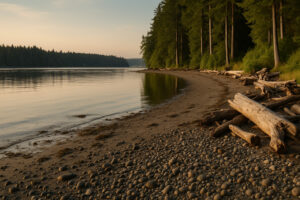
A Beach for Wanderers, Not Tourists
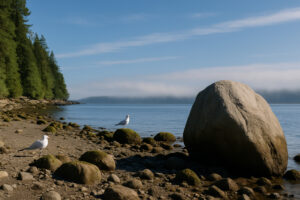
The park covers a modest area—just 249 acres—but within it lies a whole world of textures: pebbles that clink beneath your shoes, stretches of soft mud that release the smell of salt and life, and tidepools where anemones sway like underwater flowers.
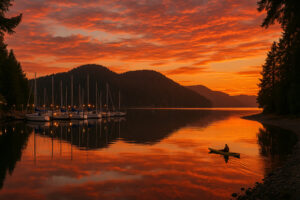
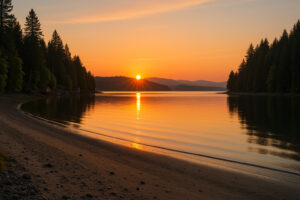
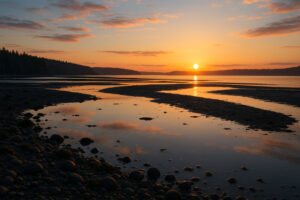
Locals often visit early in the morning for low-tide walks or late in the evening when the sun melts into the canal. If you go mid-day, you might see a handful of kayaks gliding along the shoreline or a family picnicking near the driftwood piles.
What I love most here is the silence. It’s not empty silence—it’s layered. You hear the sigh of wind through the trees, the splash of a seal surfacing, the faint hum of a distant boat. It’s the kind of quiet that slows your heartbeat.
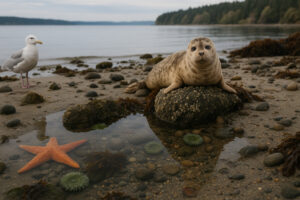
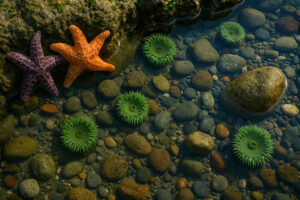
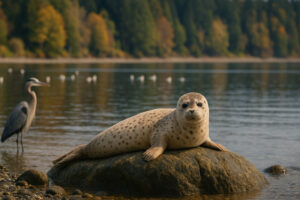
Bring binoculars if you can. Bald eagles nest in the nearby firs, and harbor seals often appear just offshore. At low tide, I’ve spotted purple starfish clinging to rocks and small crabs skittering under strands of kelp. Every visit feels like a new discovery, even though the landscape rarely changes.
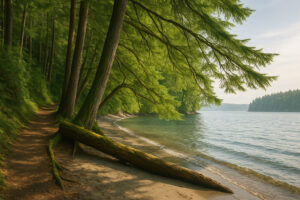
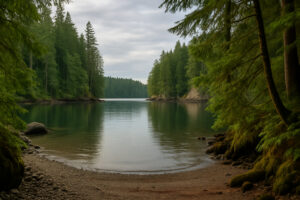
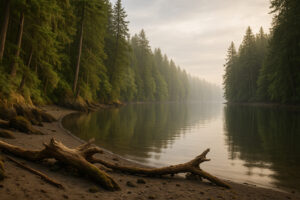
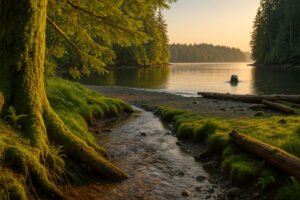
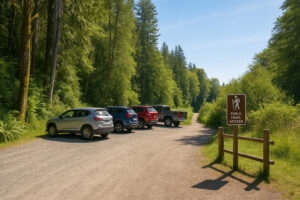
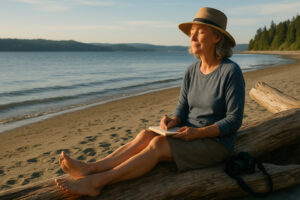
Most visitors park near the main gravel lot, but if you continue along the tree-lined path to the right, you’ll find a narrow trail leading to a secluded stretch where the forest leans directly over the water. Fallen logs create natural benches. It’s a perfect spot for journaling, sketching, or simply sitting still.
A short walk north takes you toward the Bridgehaven area, where locals quietly slip down to lesser-known coves. These hidden beaches are technically public but remain mostly untouched—no facilities, no signs, just soft sand and views that feel cinematic. I once met a couple there who had kayaked from Port Ludlow Marina, carrying a picnic basket for an afternoon by themselves. They called it their “private island,” and for a few hours, it really was.
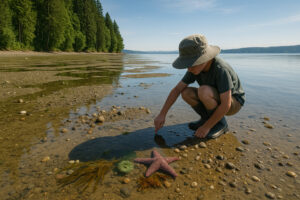
A Tidal Classroom
If you’re traveling with kids, Shine Tidelands doubles as an outdoor classroom. The gentle slope of the beach makes it safe for exploring tidepools, and the biodiversity here is incredible. Tiny clams leave air bubbles as the tide recedes; translucent shrimp dart through ankle-deep water.
Local naturalists sometimes host low-tide walks, pointing out how the ecosystem connects—how kelp shelters crabs, how eelgrass stabilizes the sand, and how each small organism plays a part in keeping Hood Canal alive.
Even without a guide, you’ll learn simply by paying attention. Watch how the beach changes color as the tide moves in—pale gold turns to steel blue within minutes. Kneel close to the sand and notice the miniature rivers forming between shells. That’s the magic here: movement and stillness at once.
Practical Notes Before You Go
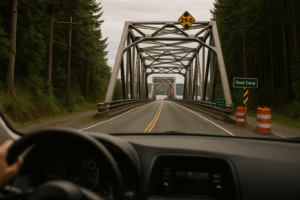
Location: Shine Tidelands State Park, just south of the Hood Canal Bridge off WA-104.
Parking: Small gravel lot (Discover Pass required). Spaces fill up on sunny weekends but empty quickly by evening.
Best Time: Early morning for solitude or late afternoon for golden light. Low-tide schedules are posted online and at the park entrance.
Facilities: Basic restrooms, picnic tables, and a kayak launch. No lifeguards or food services, so bring water and snacks.
If you’re planning a longer outing, combine your visit with a stop at Salsbury Point County Park, just across the bridge. The view there—sailboats framed by the Olympic Mountains—is breathtaking, and the beach offers smoother pebbles ideal for barefoot walks.
How to Experience It Fully
I always tell travelers to give Shine Tidelands at least two hours. Take your shoes off. Sit on driftwood and feel the warmth of the sun on the wood. Let the salt dry on your skin before brushing it away. Bring a notebook or camera if you want, but don’t let them become the purpose. The reward here isn’t in capturing the moment; it’s in inhabiting it.
If you’re lucky, you might meet a few locals who’ve made this their daily ritual. One retired teacher told me she walks here every morning year-round, regardless of weather. “It’s like church,” she said, gesturing to the expanse of water. “Except the sermons change every day.”
That, I think, sums up Shine Tidelands perfectly—it doesn’t impress with grandeur; it humbles you with grace.