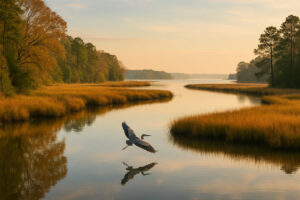
Few travelers realize that only minutes beyond the brick streets of Colonial Williamsburg lies a different kind of treasure — the quiet rhythm of Virginia’s forests, rivers, and coastal marshes. Among these natural wonders, you will find the renowned York River State Park trails. Here, blue herons glide over still water, oak leaves whisper in the wind, and the scent of pine mingles with salt air from the Chesapeake Bay.
For me, these hidden landscapes are Williamsburg’s most honest storytellers. While the town’s buildings preserve America’s past, its trails and gardens reveal the land that sustained it. Whether you hike along the York River, wander through a botanical garden, or cycle the Colonial Parkway, you’re walking through the same wild heart that early settlers once called home.
York River State Park – The Soul of Virginia’s Tidewater Wilderness
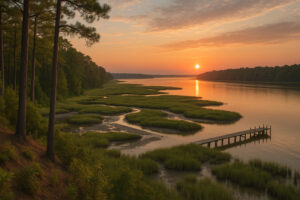
Twelve miles northeast of downtown Williamsburg, York River State Park stretches across 2 500 acres of shoreline, forest, and marsh. This is where tidal rivers meet coastal plains, creating one of Virginia’s most diverse ecosystems.
A Living Landscape
From its bluffs you can see osprey diving for fish, fiddler crabs scuttling through mud flats, and the occasional bald eagle circling high above. It’s a park that changes by the hour: morning mist drifting across wetlands, golden light slanting through loblolly pines at noon, and amber reflections dancing on the river at dusk.
Trails for Every Explorer
York River State Park maintains more than 30 miles of trails designed for hikers, bikers, and equestrians.
Mattaponi Trail (5.5 mi) – A forest loop where songbirds follow you through every turn. Best in spring when wild azaleas bloom.
Capitol Trail Connector (2.5 mi) – Leads directly to the Virginia Capital Trail, linking Williamsburg to Richmond for long-distance cyclists.
Taskinas Creek Trail (1.5 mi) – A boardwalk through marshland with observation decks for birdwatching and photography.
Marl Ravine Trail (1 mi) – Short but steep, offering glimpses of ancient marine fossils exposed in riverbanks.
Traveler Tip: Download the park map before arriving — cell service can fade near Taskinas Creek. Bring binoculars if you enjoy birding; more than 200 species have been recorded here.
Lovely place to hike and enjoy the area.
Explore York River State Park on Google Maps
Kayaking and Fishing
The park’s boat launch on the Taskinas Creek estuary allows paddlers to slip silently into winding channels lined with cattails. It’s one of my favorite sunrise spots. You’ll see reflections of cypress knees in still water and maybe startle a great blue heron taking flight. Fishing is excellent for croaker, perch, and catfish — you can rent rods at the visitor center.
The Science and Spirit of the York River
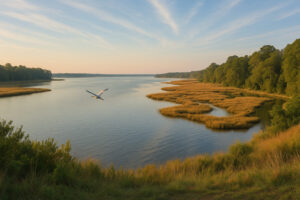
Standing on the overlook, it’s easy to forget that this gentle river once carried ships loaded with tobacco and timber bound for England. Archaeologists have found traces of Native American villages along its banks, along with oyster shells centuries old. Today, conservation programs protect these estuarine habitats through partnerships with William & Mary’s Virginia Institute of Marine Science.
Guided eco-tours explain the tidal rhythm and how saltwater from the Chesapeake mixes with fresh streams from inland Virginia. During these tours, naturalists often point out that the York’s tides are “gentle teachers” — revealing how life adapts to change. Every shell, feather, and ripple tells part of that lesson.
Seasonal Beauty Through the Year
Spring: Dogwoods bloom along the Taskinas Creek boardwalk; migratory warblers return.
Summer: Kayakers paddle under full canopies; butterflies fill the meadows.
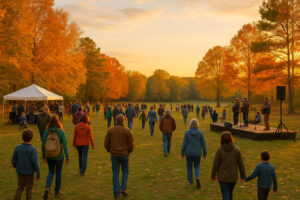
Autumn: Red maples ignite the shoreline, and cool breezes invite long hikes.
Winter: The park becomes peaceful and starkly beautiful, with frost tracing every branch.
Locals know winter mornings are the best time to see deer and foxes along the Marl Ravine Trail. On those quiet days, the river seems to breathe — each ripple catching pale light like a whispered secret. If you’re visiting in December, see how the same landscapes sparkle during Grand Illumination & Christmas Town.
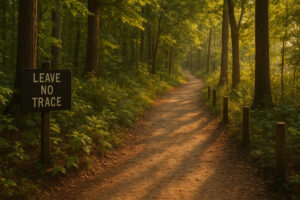
Sustainable Travel and Visitor Etiquette
York River State Park follows a strict “Leave No Trace” policy. Visitors are asked to pack out trash, stay on marked trails, and respect wildlife nesting areas. The rangers often remind guests that “our footsteps write the park’s next chapter.” That phrase stayed with me — because the story of Williamsburg’s wilderness depends on travelers who tread lightly.
If you want to give back, join the Friends of York River State Park for seasonal clean-up days or citizen-science events tracking shorebirds. It’s a wonderful way to meet locals who care deeply about this landscape.
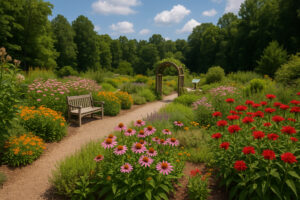
Williamsburg Botanical Garden – The Green Heart of Freedom Park
Inside Freedom Park’s forested hills sits one of Virginia’s best-kept secrets — the Williamsburg Botanical Garden. Spread over two acres and maintained entirely by volunteers, this garden is a living classroom dedicated to native plants and pollinator habitats.
A Sanctuary of Color and Sound
Butterflies flit across milkweed beds, hummingbirds hover over coral honeysuckle, and bee balm glows crimson under summer sun. Each section showcases a different ecosystem — woodland, meadow, wetland, and herb garden. Benches invite you to pause and listen to the buzz of life that makes this garden so alive.
Educational Trails and Workshops
Interpretive signs explain how native plants protect Virginia’s waterways and wildlife. Rangers and Master Gardeners host free events throughout the year — from bird-identification walks to eco-gardening workshops. Spring and fall are the busiest seasons for volunteer projects, but winter visits offer quiet beauty among evergreen ferns and snow-kissed grasses.
Traveler Tip: Admission is free, but donations help fund native-plant education. Restrooms and picnic areas are nearby in Freedom Park.
The roller coaster insider tour was AMAZING.
Explore Williamsburg Botanical Garden on Google Maps
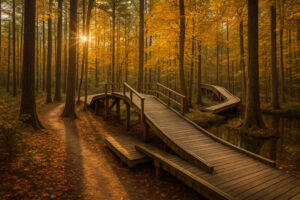
Freedom Park Trails – Adventure in the Canopy
Beyond the garden, Freedom Park offers 20 miles of multi-use trails for hiking and mountain biking. The paths wind through tall pines and historic sites like the remains of one of America’s earliest free Black settlements. Interpretive signs share stories of families who once farmed this land.
The Multiflow Trail caters to cyclists with gentle curves and elevated ramps, while the Bridge Loop offers boardwalk views over swampy ponds filled with turtles. In autumn, the entire forest turns to amber and gold — a natural cathedral for photographers.
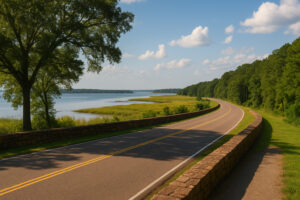
The Colonial Parkway – Virginia’s Most Scenic Drive
Connecting Jamestown, Williamsburg, and Yorktown, the Colonial Parkway is more than a road — it’s a journey through time and tide. The 23-mile route weaves between rivers and marshlands without billboards or modern clutter. Built by the National Park Service in the 1930s, it remains one of America’s most thoughtfully preserved drives.
Highlights Along the Way
College Creek Pull-Off: A quiet spot for picnics and kayak launches.
Indian Fields Overlook: Sweeping views of the James River and eagles perched on driftwood.
Sawmill Creek Bridge: Perfect for sunset photos as light ripples across the water.
Traveler Tip: Drive slowly — wildlife often cross the road at dawn and dusk. Stop at turnouts to breathe in the salt air and listen to the wind rushing through tall marsh grass.

Outdoor Activities for All Ages
Stay overnight nearby using options from our Williamsburg Bed-and-Breakfast Guide.
Cycling and Running
The Virginia Capital Trail begins near Jamestown and stretches over 50 miles to Richmond. Locals often ride a 10-mile segment from Jamestown Settlement to Greensprings — a shaded path with historic markers and creek crossings.
Birdwatching and Wildlife Tours
York River and Freedom Park host guided bird walks where naturalists track eagles, hawks, and migrating ducks. Bring a field guide or download the Merlin Bird ID app to log sightings.
Paddling and Fishing
Kayak rentals are available at York River and Waller Mill Park. Quiet waters make these ideal for beginners. Anglers can expect bass, crappie, and sunfish throughout the season.
Waller Mill Park – A Reservoir Retreat
Just four miles from downtown, Waller Mill Park spreads around a 345-acre lake fringed by pine forest. Locals come here for canoeing, disc golf, and peaceful evening walks. The Bayberry Trail offers water views and a quiet escape from crowds.
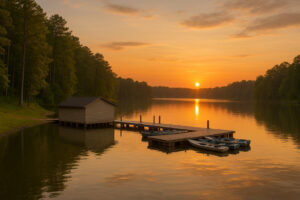
Rent kayaks or paddle boats from the boathouse and watch great blue herons stalk the shallows. If you arrive near sunset, the water reflects amber and rose light that turns the whole reservoir to glass.
My husband and I hiked one of the trails and were able to get lots of pictures with some great scenery and fall colors.
Explore Waller Mill Park on Google Maps

Eco-Friendly Travel Tips
Carry a reusable bottle and snacks in cloth bags.
Avoid picking flowers or disturbing wildlife.
Use bikes or shuttles instead of cars for short trips between parks.
Support local eco-tours and Virginia-grown farmers’ markets.
Respect quiet zones — many trails double as wildlife nurseries.
These small habits make a large difference, ensuring that the York River and Williamsburg forests stay healthy for future generations.
Seasonal Festivals and Outdoor Events
Spring Wildflower Walks at Freedom Park (led by Master Naturalists).
James River Fest in May celebrating local watersheds.
Autumn Hike Day at York River featuring guided trail loops and live folk music.
Winter Bird Count for citizen scientists.
Each event adds a layer of connection between traveler and landscape.
Personal Reflection #1 – The Trail That Changed My Pace
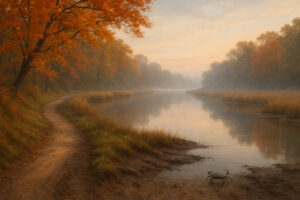
One October morning, I walked the Taskinas Creek Trail alone. Mist rose from the marsh and the river was so still it mirrored the sky. Halfway through, I stopped to watch a crab scuttle across the mud and realized I was breathing slower — as if the land had taught me its own rhythm. That moment reminded me why I travel: not to see more, but to see better. York River did that for me.

Family-Friendly Nature Itinerary
This 3-day itinerary blends gentle adventure, learning, and relaxation — perfect for families or couples seeking quiet discovery. After a morning on the trails, reward yourself with local flavors from our Wineries, Breweries & Farm-to-Table Dining Guide.
Day 1 – Rivers & History
Morning → Start at York River State Park. Walk the Taskinas Creek Trail; stop at the overlook for panoramic photos.
Afternoon → Picnic at the College Creek pull-off on Colonial Parkway. Visit the Jamestown Glasshouse nearby.
Evening → Dinner at the Gabriel Archer Tavern, then return via the Parkway at sunset.
Day 2 – Gardens & Freedom Park
Morning → Explore Williamsburg Botanical Garden. Join a native-plant walk if available.
Afternoon → Hike Freedom Park’s Bridge Loop or ride the Multiflow mountain-bike trail.
Evening → Return to downtown for dinner at Second Street Bistro.
Day 3 – Water & Reflection
Morning → Rent kayaks at Waller Mill Park. Paddle quietly along the reservoir’s inlets.
Afternoon → Visit Merchant’s Square for local coffee and souvenirs.
Evening → Enjoy twilight from the Governor’s Palace green — where colonial lamplight meets the stars.
Connecting Nature and Heritage
What makes Williamsburg extraordinary is not just its architecture but its balance between civilization and wilderness. The same rivers that powered 17th-century mills now host kayakers. The same trails that once carried farmers now carry families with strollers. Nature here isn’t separate from history — it’s the living canvas behind every chapter.
Many visitors come for museums and leave surprised by the serenity of the woods. Locals often say, “You can hear the past better when the wind’s in the trees.” Spend an hour in the marsh, and you’ll understand why.
Lesser-Known Nature Spots
Chickahominy Riverfront Park: A peaceful fishing and camping area west of the city.
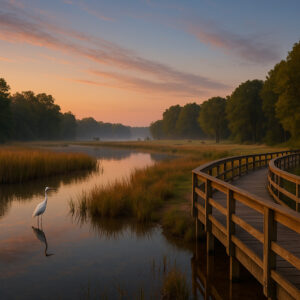
Greensprings Interpretive Trail: Boardwalk loops through wetlands where egrets nest.
Powhatan Creek Trail: A shaded bike path connecting neighborhoods to forest.
Jamestown Island Loop Drive: A short wildlife route where deer and bald eagles appear at dawn.
Each of these locations shows another side of the region — quieter, less photographed, but deeply authentic.
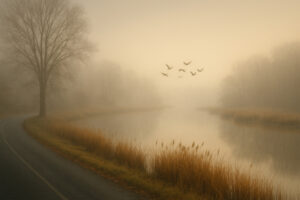
Personal Reflection #2 – The Morning Mist on the Parkway
One December morning, I pulled over on the Colonial Parkway near the York River. Fog rolled over the marsh, softening everything — trees, water, sky. For a long while I stood there, listening to the faint rush of wings as geese passed overhead. It was a simple scene, but it felt like the whole landscape was breathing with me.
That’s the beauty of Williamsburg’s wild side: you don’t chase moments; they find you when you finally stop rushing. To balance history with nature and plan your perfect itinerary, explore our main Williamsburg, Virginia Travel Guide.

Practical Travel Notes
Best Seasons: April–May and September–November for mild weather.
Gear: Lightweight hiking shoes, binoculars, bug spray, and a refillable bottle.
Access: Most parks open 8 a.m.–sunset; parking fees vary ($5–$7).
Accessibility: York River and Freedom Park both have ADA-friendly boardwalks.
Pets: Allowed on leashes; bring waste bags.
Safety: Check for ticks after wooded hikes; trails close during heavy rain.
Frequently Asked Questions – Nature Escapes Around Williamsburg
Taskinas Creek Trail in York River State Park — short, scenic, and well-maintained.
Yes, both York River and Freedom Park host ranger-led hikes and kayak trips.
Spoke & Art Provisions near Jamestown rents bikes and e-bikes for Parkway rides.
Yes, on a leash. There’s even a designated dog beach along the riverbank.
No, currents are strong — stick to kayaking or wading at designated areas.
The Marl Ravine Overlook, Waller Mill’s dock, and College Creek at sunset.
It contains one of America’s earliest free Black settlements and Revolutionary War earthworks.
Yes — Chickahominy Riverfront Park and Williamsburg KOA both offer scenic camping.
Absolutely. Trails remain open, and wildlife viewing is excellent without foliage.
Limited; renting a car or using ride-shares is recommended.